Deep Dive
来自我们记者的行业洞察

Pandemic Reshapes Architectural Spaces: New Design Trends for Offices, Hotels, and Mixed-Use Complexes
The United States has entered the mass vaccination phase for COVID-19, but the construction industry will continue to deal with pandemic-driven design changes for years. Office design may return to a balance of enclosed and flexible layouts, hotels shift toward self-service and wellness amenities, and multi-family residences add flexible spaces. Contractors need to focus on air handling, antimicrobial materials, and new regulations.

Building Aerial Drone Highways: Challenges from Technical Standards to Public Trust
Unmanned Aircraft System (UAS) corridors are seen as key to transforming urban air mobility, but their development faces multiple challenges including technical, regulatory, and public acceptance issues. This article synthesizes perspectives from the FAA, NASA, industry experts, and corporate executives, analyzing core issues in drone corridor construction such as standard-setting, data sharing, safety integration, and public trust, and introduces pioneering projects in places like Ontario and North Dakota.

5G Health Concerns Persist: From Arson to Local Moratoriums, Public Trust Under Scrutiny
In 2020, over 70 mobile phone towers in the UK and Europe were set on fire due to conspiracy theories linking 5G to the COVID-19 pandemic, drawing strong condemnation from the industry and scientific community. In the US, although no similar arson incidents have occurred, the Department of Homeland Security and the Communications Infrastructure Contractors Association have issued warnings. Meanwhile, some local officials have passed non-binding resolutions calling for a moratorium on 5G deployment until more research is completed. The scientific controversy over the health effects of radiofrequency energy persists: the US National Toxicology Program's 2018 study found "clear evidence" that specific frequencies could increase cancer risk in rats, but the FDA and FCC maintain that current standards are sufficient to protect public health. Divisions among industry, scientists, and activist groups, coupled with an information vacuum, provide fertile ground for the spread of misinformation.

Public transit agencies use public surveys to track travel trends
Multiple U.S. cities and transit agencies are using public surveys to guide transit planning and adjustments. After Norman took over transit operations, it used surveys to understand resident needs; before restarting bus services, Idaho Falls designed surveys to clarify future passengers' travel destinations; and Chicago's RTA shifted its survey focus due to the pandemic to assess its impact on ridership. Experts emphasize that effective surveys need to prioritize transparency, probability sampling, and multi-channel distribution to ensure representative results.
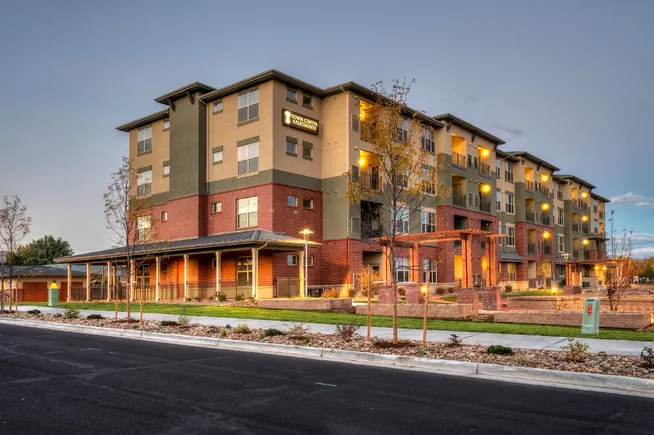
From Shopping to Housing: Abandoned Malls Transformed into Senior Residences
The demand for affordable housing among America's elderly population is growing, especially in the wake of the COVID-19 pandemic. Some developers have begun converting abandoned shopping malls into senior housing to address the housing shortage. This article analyzes the practices and challenges of this innovative model, using Wayzata, Minnesota; Richmond, Virginia; Wheat Ridge, Colorado; and Irondequoit, New York as examples.

Rate design innovation accelerates the energy transition process
The latest evaluation of Maryland's time-of-use electricity pricing pilot shows that dynamic rates effectively cut peak load and lowered customer electricity costs. With the widespread adoption of smart meters and the growth of distributed energy resources, rate design is evolving from fixed rates to more granular real-time pricing, providing key support for the energy transition.
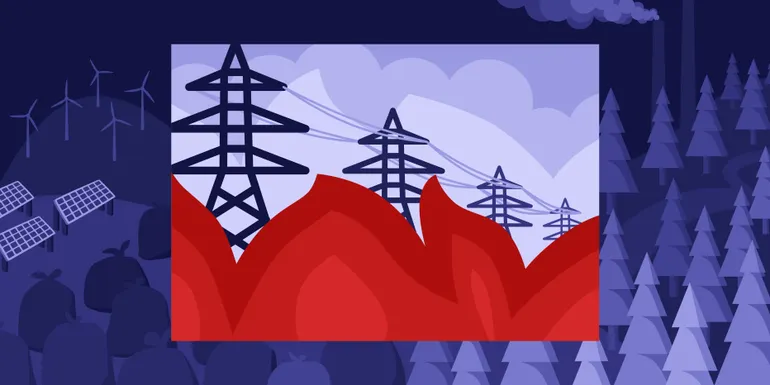
Wildfires Push PG&E Toward Bankruptcy: Should Other Utilities Take Heed?
In early 2019, PG&E filed for bankruptcy after its equipment sparked wildfires, paying $25.5 billion in settlements and planning to invest $11.7 billion in fire prevention. Now, its equipment is once again under investigation in connection with wildfires. Experts warn that climate change is intensifying wildfire risks, and utilities in Oregon, Arizona, Colorado, and other states face similar threats, with fire prevention costs becoming increasingly substantial and expensive.
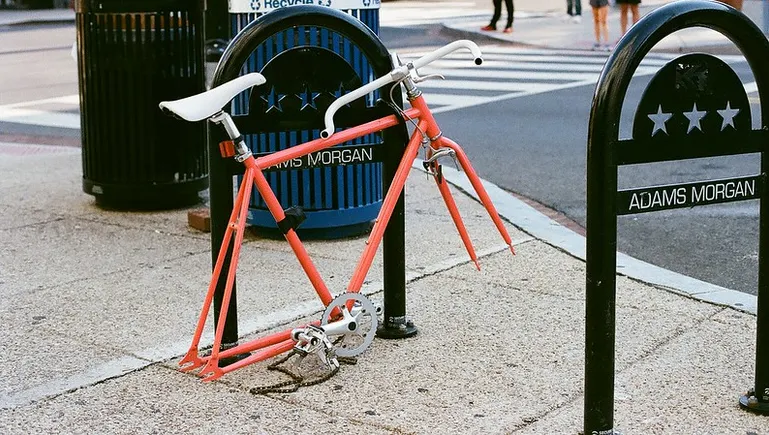
Bike-friendly cities actively respond to increasingly rampant theft problems
During the pandemic, bicycle sales in the United States surged, and theft cases rose by 68% simultaneously. Police in many areas have implemented measures such as registration systems and special task forces to curb crime, but funding and manpower shortages remain challenges.

Bird Fleet Manager Program Sparks Controversy: Debt Trap or Revenue Opportunity Amid the Pandemic?
Bird's shared scooter fleet manager program has recently faced media scrutiny, alleging that its prepaid model traps contractors in debt. However, interviews by Smart Cities Dive reveal that some fleet managers view the program as a "life-changing" earning opportunity during the pandemic. This article synthesizes multiple perspectives, analyzing the program's operations, contract terms, recruitment processes, and industry trends, while also exploring classification disputes within the gig economy.