
Public Safety
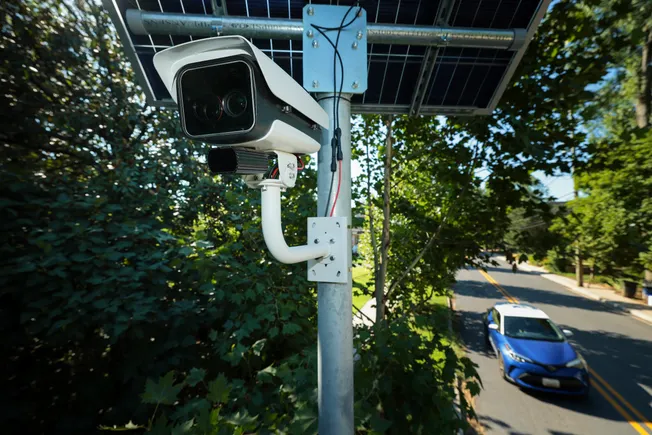
States move to rein in license plate surveillance as cities face growing scrutiny
Facing increasing controversies over automatic license plate recognition (ALPR) surveillance at the city level, multiple U.S. states have begun taking action. Arizona's Attorney General announced a review of the system's impact, South Dakota proposed legislation to limit law enforcement use, Florida's Governor called the technology 'out of control,' and Connecticut's Governor demanded a suspension of installations. The Policing Project at New York University School of Law released a policy scorecard showing that most states lack strict legislation.
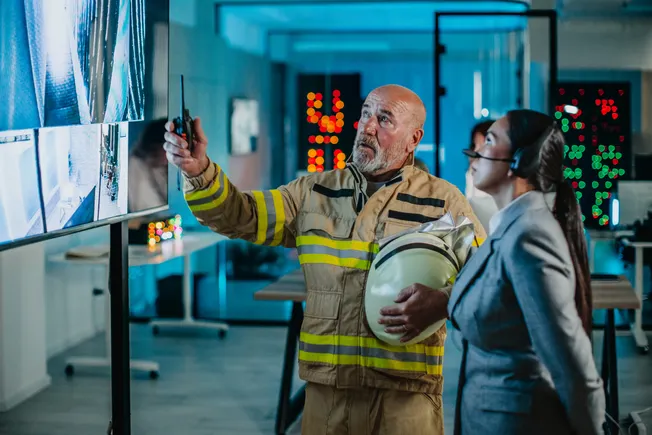
Mapping, digital twins boost emergency services, building management in Frisco, Texas
Since 2008, the City of Frisco, Texas, has introduced indoor mapping for city buildings, initially to improve emergency response, and it has now expanded to real-time management of over 200 facilities, integrating more than 30 systems, benefiting multiple departments such as fire and facility maintenance.

ICE is using shock gloves. Local police shouldn’t, a policing expert says.
The U.S. Department of Homeland Security announced this month that it would equip ICE with electric shock gloves (GLOVE), but Seth Stoughton, a law professor at the University of South Carolina and a former police officer, believes that the technology has many limitations and is not suitable for street policing, and local police agencies should evaluate it cautiously.
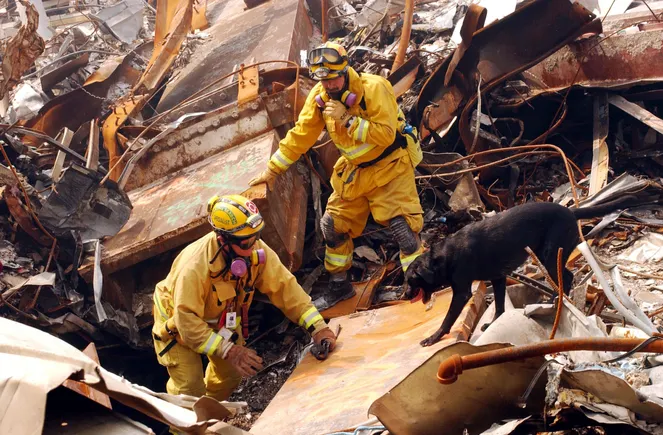
FEMA public safety grant policy challenged in city, county lawsuit
Four local governments sued the U.S. Department of Homeland Security on Monday over new FEMA grant conditions that require states and localities to alter election procedures to receive full public safety funding. The lawsuit, filed in federal court, contends the requirements exceed agency authority and threaten anti-terrorism preparedness.
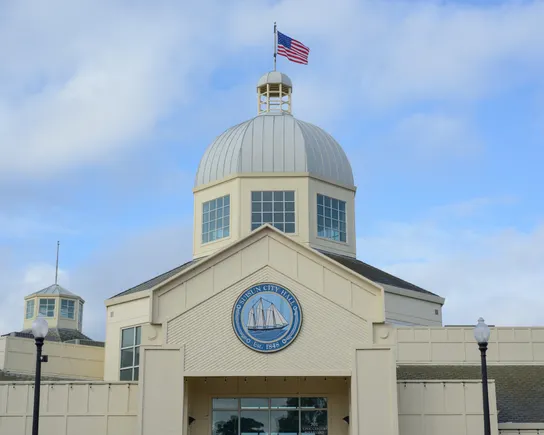
Cyberattack impacts critical public safety operations in California city
Suisun City, California, was forced to shut down all IT networks due to a malware attack, affecting critical public safety operations such as 911 routing and police and fire dispatch. The city council declared a state of emergency, and Governor Newsom subsequently launched an AI cyber defense initiative.
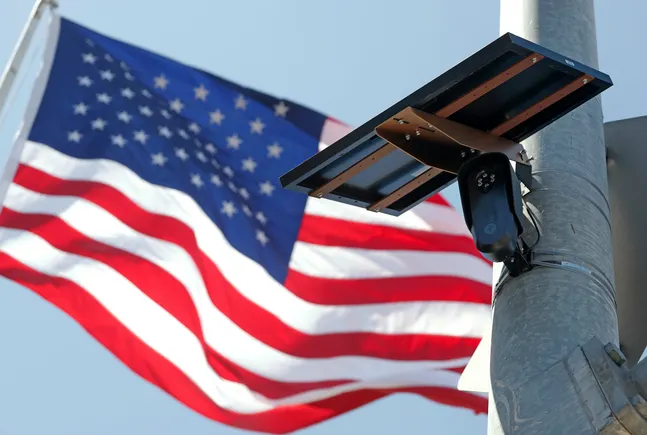
As Flock surveillance camera backlash grows, one governor tells cities to pause installations
Connecticut Governor Ned Lamont called on Friday for a pause on the installation of automatic license plate recognition cameras and requested that the state's Police Officer Standards and Training Council develop guidelines within 30 days. This move follows residents' privacy concerns, with more than 50 cities and counties nationwide having terminated partnerships with Flock Safety.

Accessible pedestrian signal rollout in Chicago ahead of targets, but technical gaps persist: report
The independent monitoring report indicates that Chicago installed more accessible pedestrian signal (APS) devices in the first year than required by the court, but all inspected intersections had technical compliance issues. The report recommends improvements in documentation, public reporting, personnel training, and defect correction.