
Opinion
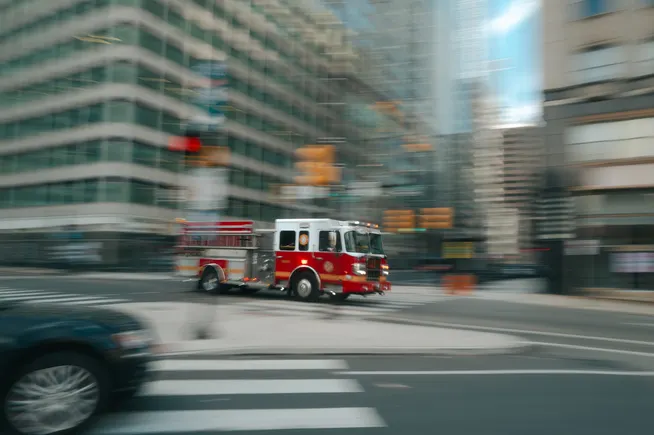
Fire response is infrastructure. Cities should treat it that way.
Fire departments are among the most visible yet least modernized city services. With aging fleets, rising costs, and faster-burning synthetic materials, every second counts. Retired Captain Kirk McKinzie calls for treating emergency response technology as critical infrastructure, funded with long-term planning rather than annual budgets.
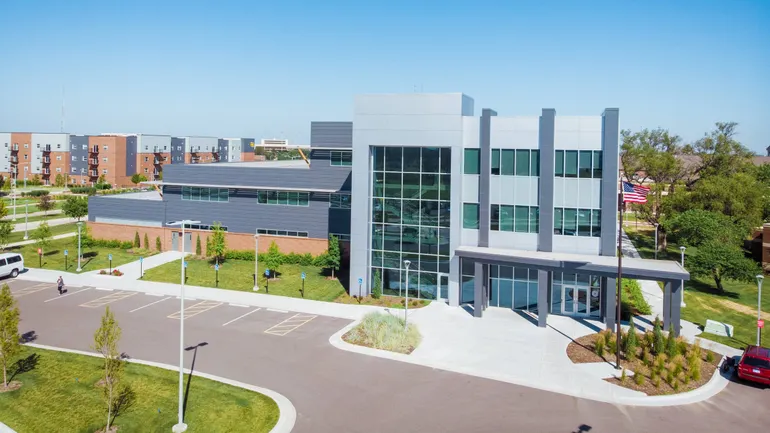
Cities need a new workforce strategy. Universities should be part of it.
American cities face challenges in recruiting skilled workers, modernizing government, and cultivating the next generation of public servants, yet they often overlook local universities as key partners. This article uses the collaboration between Wichita State University and local law enforcement as an example to show how universities can improve recruitment efficiency, promote public safety, and create practical opportunities for students through applied learning and community collaboration.
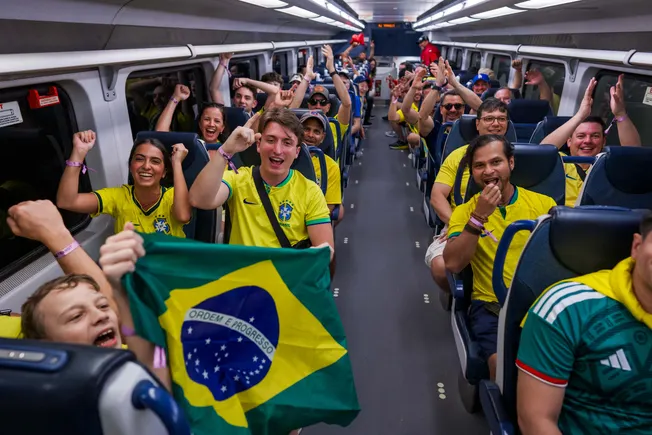
The World Cup was a transportation stress test. Cities got an A-plus.
The World Cup is not just a sporting event, but a national stress test for the transportation systems of U.S. host cities. In places like Arlington, Kansas City, and MetLife Stadium, innovative technologies such as smart signals, LiDAR monitoring, and temporary bus networks have moved from pilot programs to real-world deployment, effectively easing traffic pressure during the tournament. Whether these temporary solutions can be transformed into long-term infrastructure depends on whether federal policies can keep pace.
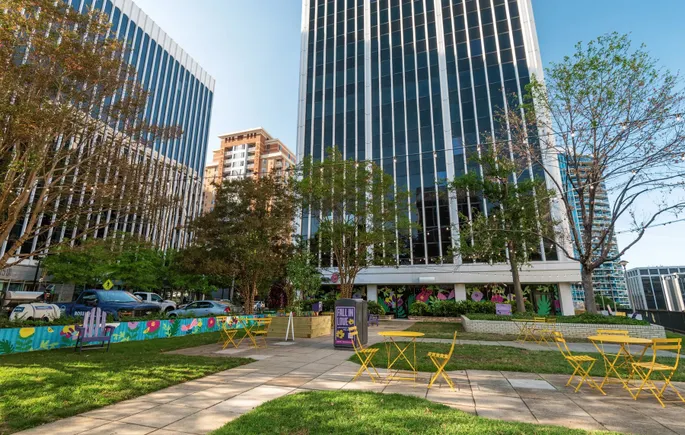
With temporary third spaces, make land that’s vacant today vibrant tomorrow
In response to the sluggish real estate market and the community's need for connected spaces, the Rosslyn Business Improvement District in Arlington, Virginia, partnered with Arlington Economic Development to transform the terrace of an idle commercial office building into a temporary 'third space'—the NOW Pop-Up Park. The park provides green space, a dog park, and event space, addressing residents' demand for outdoor gathering places and serving as a model of temporary space strategy. The article summarizes lessons in planning, regulation, BID collaboration, and maintenance, offering a reference for other cities.
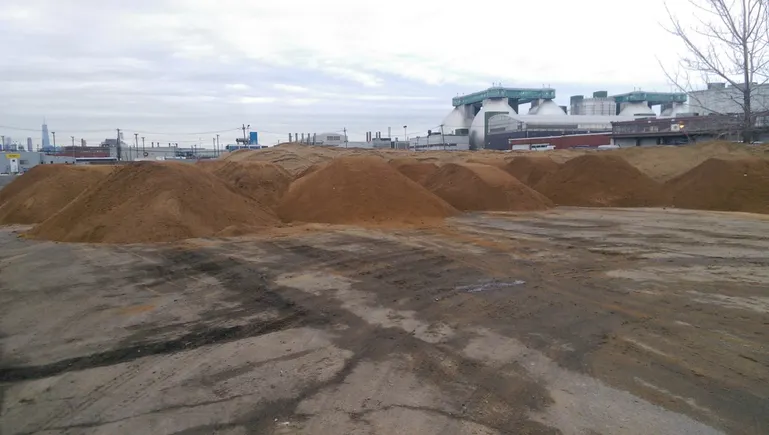
Cities are throwing away millions. Soil banking offers a better way.
Urban underground projects produce large quantities of clean soil, but most is transported outside the city for disposal, while the city also needs to purchase fill dirt at high prices. Since 2013, New York City has established the first clean soil bank in the United States, matching soil producers with soil users to enable reuse within the city, saving approximately $16 million over three years and significantly reducing transportation and emissions. This article analyzes its operational mechanism, practical results, and pathways for expansion.
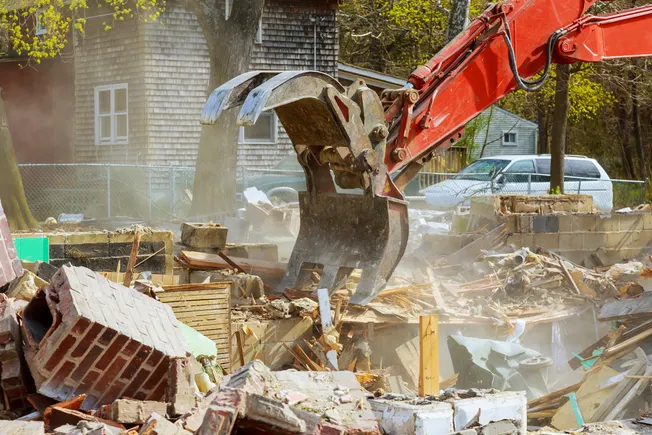
We can’t build our way out of the housing crisis while losing homes every day
The housing crisis is not just a supply shortage, but a continuous loss of existing affordable housing. In 2024, over 21 million homeowners faced severe cost burdens. LISC President Michael T. Pugh writes that new construction alone cannot solve the problem, and home maintenance and property protection need to be incorporated into core housing policies. Detroit, Jacksonville, and other places have developed scalable models.
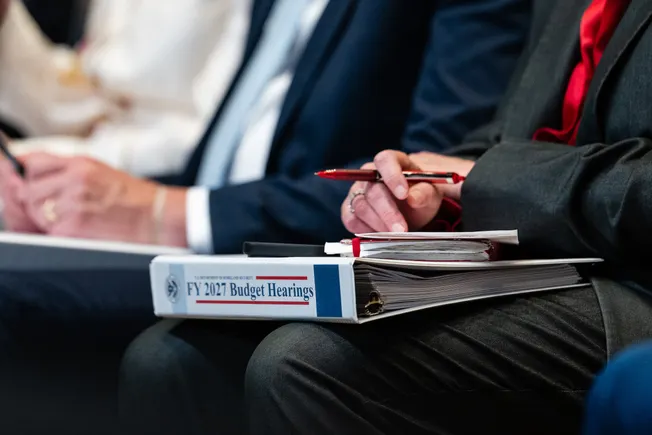
Federal money is still there. The rules for winning it have changed.
Federal funding has not disappeared, but the rules for accessing it have changed. Local governments misled by headlines and giving up on applications will miss critical opportunities. This article analyzes funding flows, competition key points, and compliance requirements, pointing out that success hinges on aligning project narratives with administrative priorities.
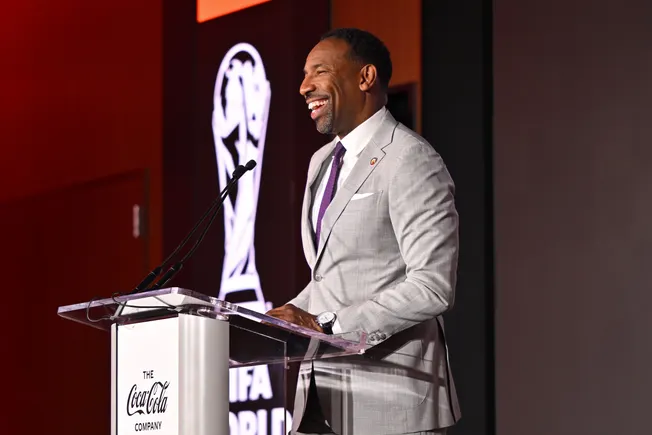
Big events can transform cities. They can also break trust.
Mega-events and large-scale activities are often regarded by cities as transformative opportunities, but beyond economic gains, the hidden costs may include residents' living expenses, housing pressures, and a loss of trust. Drawing on cases such as the 2026 Super Bowl, the 2034 Salt Lake City Winter Olympics, and the 2026 World Cup, this article analyzes transparency and accountability mechanisms in event preparation and proposes three practical recommendations to help cities maintain public trust while pursuing growth.
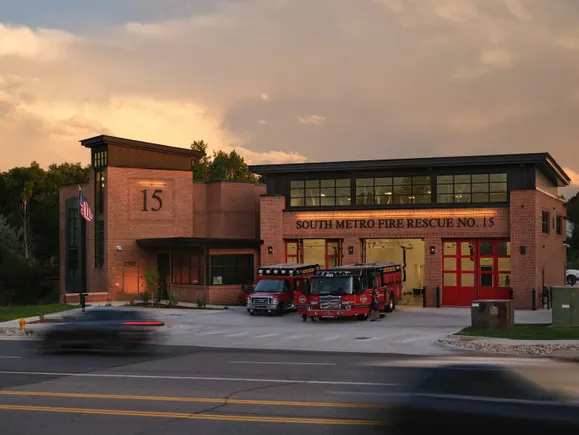
Fire stations are more than facilities. They’re 50-year operational bets.
This article examines fire station design from an operational perspective: in the face of growing medical-related calls and occupational health risks for firefighters, fire station planning should transcend traditional architectural thinking and become a systematic investment supporting emergency response, health protection, and long-term training capabilities. Using South Metro Fire Rescue Station 15 in Colorado as an example, it illustrates the design principles of modern fire stations and three key considerations for local decision-makers.
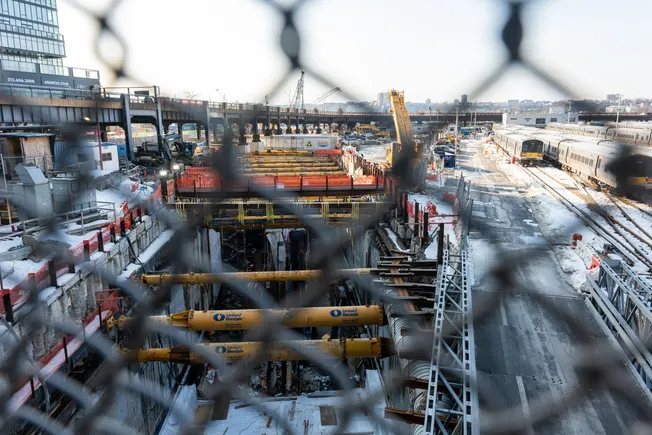
Governments should help finance infrastructure — not construct and run it
From the Hudson Tunnel to California High-Speed Rail, large public infrastructure projects in the United States commonly suffer from cost overruns and schedule delays. This article contends that governments should provide financing support through tools such as credit leverage rather than directly building and operating projects, using private capital discipline and market mechanisms to enhance project performance.