
Buildings & Design
Cooling as a Tenant Right: More U.S. Cities Mandate Air Conditioning Amid Record Heat
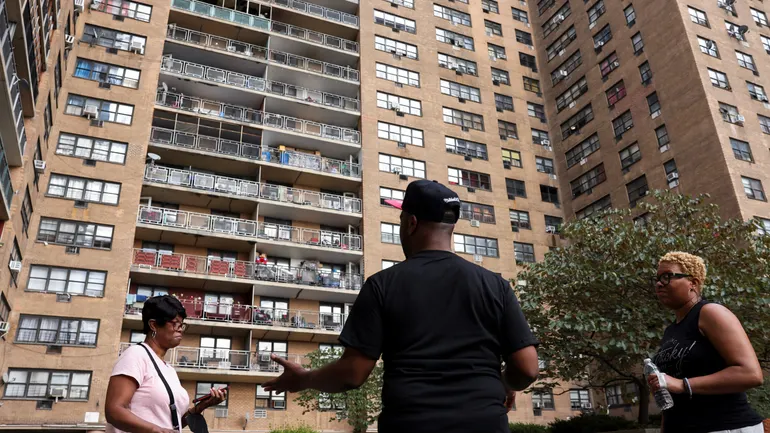
Amid record-breaking heat, more U.S. cities are adopting policies that require landlords to provide air conditioning equipment capable of maintaining safe indoor temperatures. Dallas, Montgomery County, Chicago, and New Orleans have already enacted such rules, while New York City and Los Angeles County are considering similar measures. Experts highlight the importance of these policies but note challenges including energy costs, infrastructure retrofits, and the need for complementary assistance programs.

Heat Pumps Gain Traction, Yet Commercial Retrofits Encounter Formidable Hurdles
Heat pumps are gaining recognition across the U.S. for their efficiency and lower emissions, with a coalition of governors pledging to reach 20 million installations by 2030. However, retrofitting existing commercial buildings faces significant hurdles, including physical constraints, high costs, and grid limitations. Experts discuss strategies such as hybrid systems and demand response, while emphasizing that heat pumps are just one part of a broader decarbonization approach.
HUD Research Grant Could Speed Commercial-to-Residential Conversions
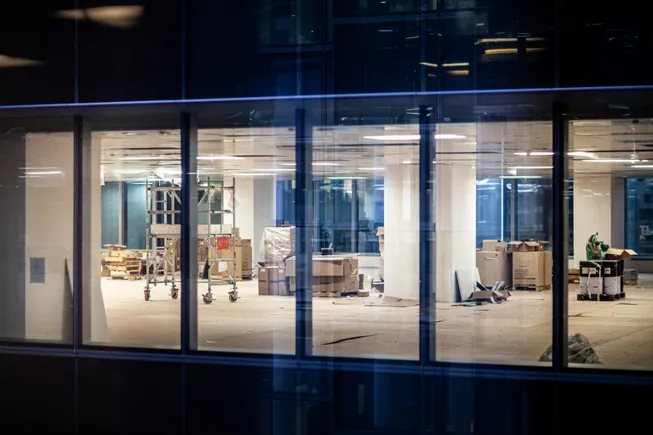
The U.S. Department of Housing and Urban Development has announced a notice of funding opportunity (NOFO) to support research on commercial-to-residential conversions. The initiative, offering up to $860,000, seeks to compile case studies since the start of COVID-19, identify effective policies and incentives, and create a resource guide. Industry experts believe this could halve project turnaround times, though economic feasibility remains a challenge.
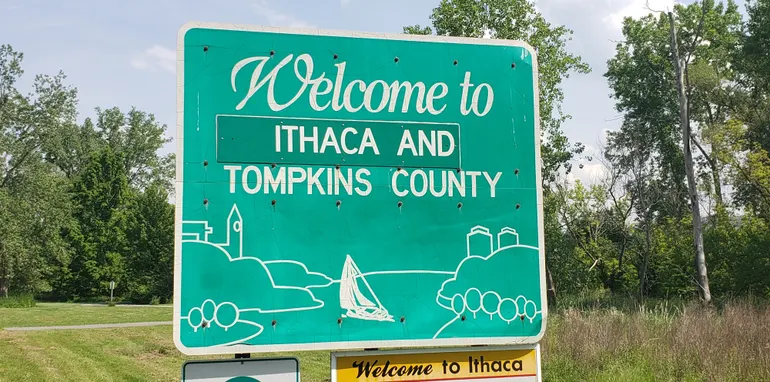
Inside Ithaca’s plan to electrify 6,000 buildings and grow a regional green workforce using private equity funds
Flood Risk Poses New Hurdles as Cities Seek to Legalize Basement Apartments
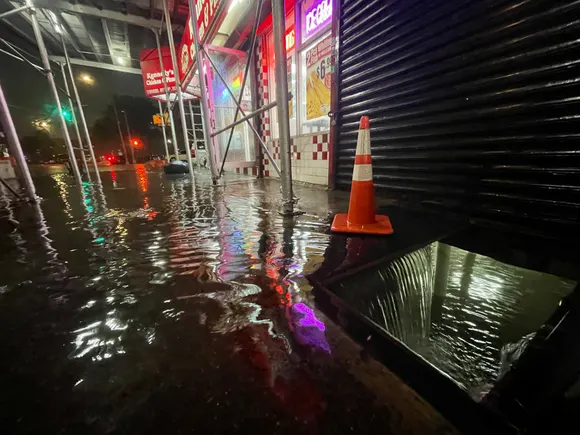
As cities grapple with affordable housing crises, basement apartments offer a potential solution, yet the growing threat of climate-fueled flooding raises safety concerns. New York's pilot program lags, while Chicago, Boston, and others explore accessory dwelling units with flood-resilient regulations. Innovative insurance and risk tools aim to protect vulnerable residents.
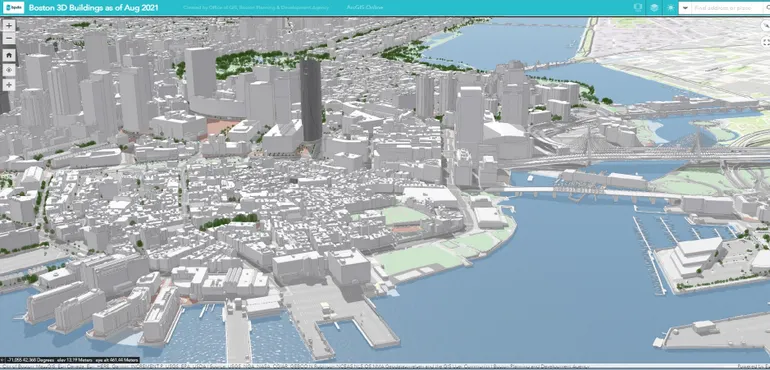
数字孪生能否重塑城市规划的未来?
数字孪生作为物理世界的3D虚拟副本,正逐步进入城市规划视野。波士顿自2015年起构建并公开其城市模型;查塔努加借助该技术优化信号灯配时,使交通流提升最高30%;纽约、拉斯维加斯等地则将其用于建筑脱碳。然而,数据维护、隐私与投入成本仍是主要障碍。

卫星互联网:弥合数字鸿沟的良方,还是“科学实验”?
FCC向SpaceX的Starlink授予8.8551亿美元,用于农村宽带服务,引发关于卫星互联网是否可靠、成本是否过高的讨论。支持者认为其能覆盖光纤难以到达的地区,反对者则担忧其技术未经验证且价格不菲。
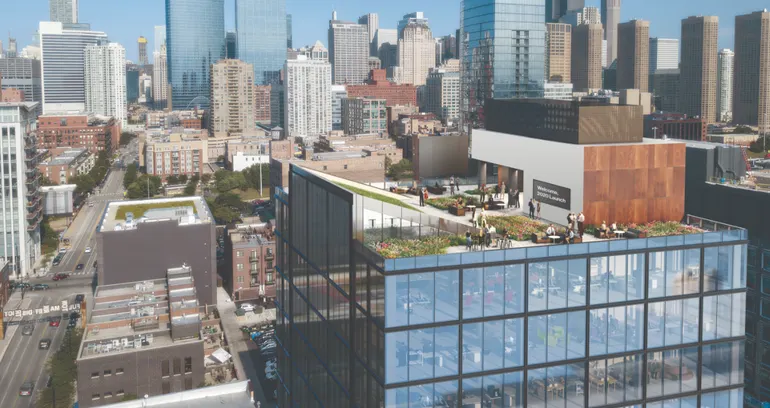
COVID-19's Lasting Impact on Office, Hotel, and Multifamily Design
The pandemic is reshaping commercial and residential architecture, with a focus on touchless technology, flexible layouts, and health-centric materials. Experts weigh in on what contractors should expect.

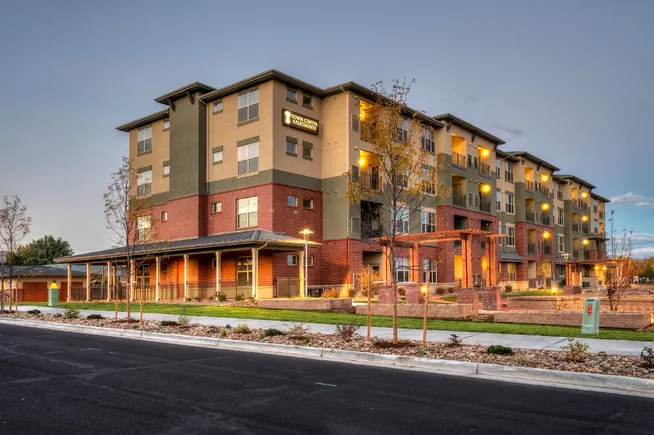
From Retail to Residence: Repurposing Vacant Malls for Senior Housing
With a growing senior population and a shortage of affordable housing, developers are turning abandoned shopping malls into senior living communities. This trend repurposes underutilized retail sites to meet the demand for walkable, accessible housing, as seen in projects from Minnesota to New York.