
Deep Dive
来自我们记者的行业洞察
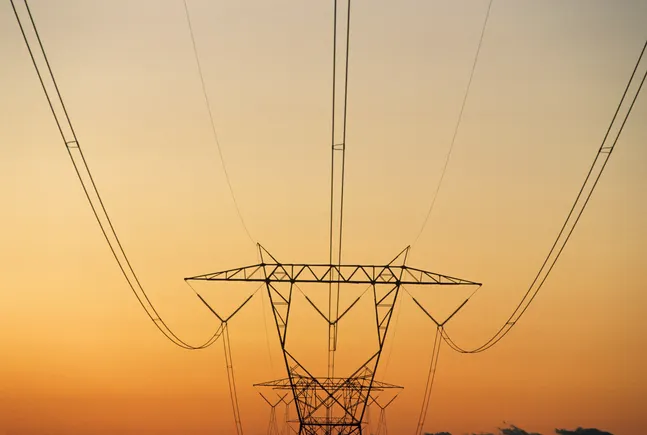
Federal energy permitting reform is deadlocked, with state-level and market forces seeking a breakthrough
Despite at least 10 permitting reform bills before Congress, two major federal regulatory initiatives, and calls from a bipartisan House caucus, energy project approvals remain slow. This article reviews legislative and regulatory developments at the federal level and highlights state-level reform efforts in New York, California, and other states, as well as innovative solutions within the industry.
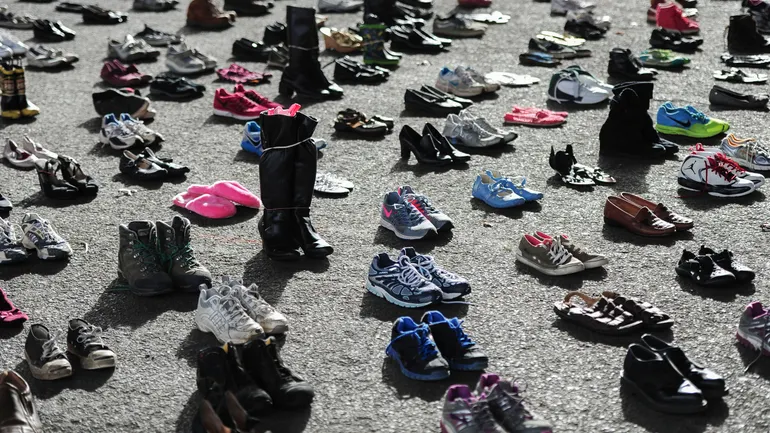
Advocates look to federal funding to curb rising pedestrian deaths
Pedestrian deaths in the U.S. continue to climb, rising 77% from 2010 to 2021, the highest since 1981. Advocates believe federal funding such as the 'Safe Streets and Roads for All' program could offer solutions, but obstacles like outdated design standards and uneven fund distribution must be overcome.
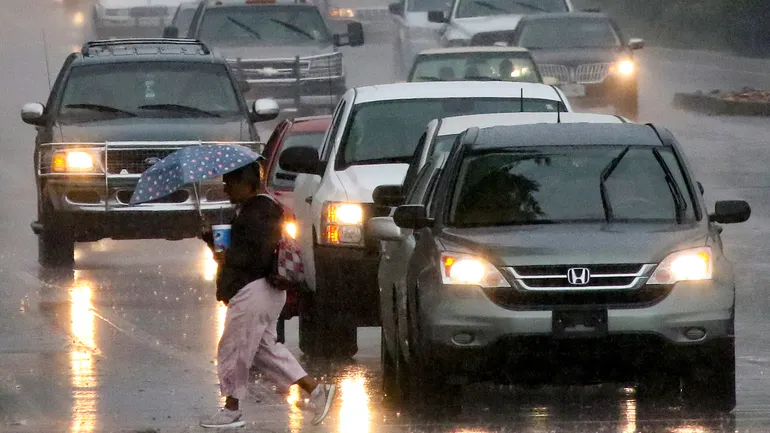
Can Sun Belt Cities Shift from Pedestrian Danger Zones to Walk-Friendly?
Data shows that pedestrian traffic fatality rates in U.S. Sun Belt cities are significantly higher than in northern cities, with Memphis recording 13.5 pedestrian deaths per 100,000 people in 2022, compared to just 0.77 in Boston. Despite continued population growth and car-oriented urban design, cities such as Tucson, Jacksonville, and Los Angeles have begun implementing targeted measures, including investing $150 million in street safety improvements, adding sidewalks and bike lanes in underserved areas, and reducing speed limits and optimizing signal timing, to improve pedestrian safety.

How American Cities Are Responding to the Safety Crisis of 20 Pedestrian Deaths per Day
Motor vehicles cause over 7,500 pedestrian deaths annually in the United States, about 20 per day. Low-income and communities of color face significantly higher risks. This first report in the series focuses on how Atlanta, Chicago, and Boston are responding to the crisis through data-driven identification of high-risk communities, community engagement, and street design.
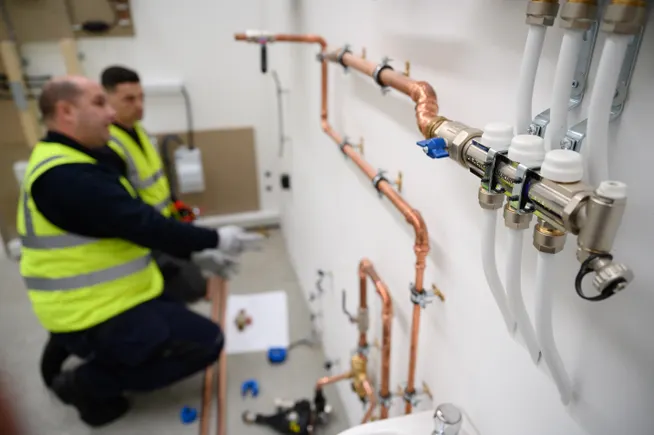
Heat pumps are gaining popularity, but retrofitting commercial buildings faces real-world challenges
Heat pumps, as an efficient and low-carbon heating and cooling solution, have attracted widespread attention in the United States, but retrofitting existing commercial buildings faces practical challenges such as high costs, disruptive construction, and difficulties in adapting to existing pipe networks. This article synthesizes multiple perspectives to analyze physical retrofits, economic feasibility, grid pressure, and comprehensive decarbonization pathways.
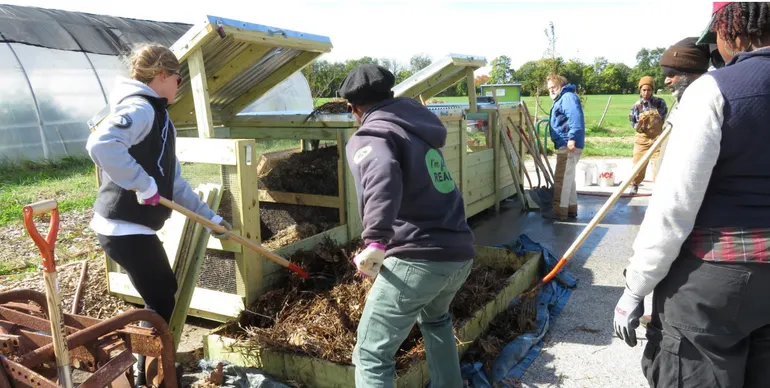
Baltimore Receives $4 Million EPA Grant, Aims to Reshape Composting Development Path
The U.S. Environmental Protection Agency has awarded Baltimore City a $4 million grant to build a solar-powered composting facility at Bowley's Lane, capable of processing 12,000 tons of organic waste annually. The city is advancing organic waste collection and processing through its ten-year solid waste plan, but faces challenges such as insufficient facilities and difficulties in policy implementation.
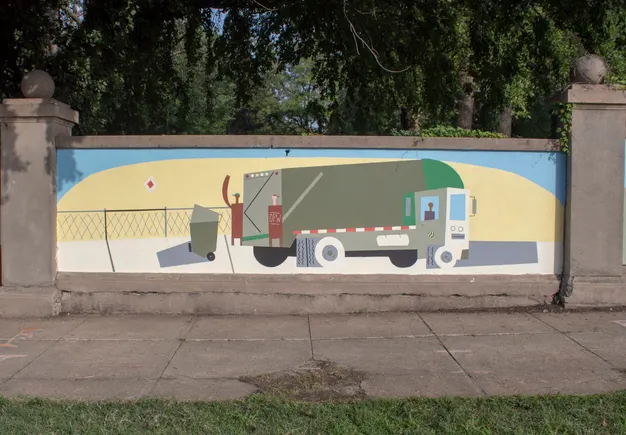
Baltimore's waste processing infrastructure faces high renovation costs
Baltimore's latest ten-year solid waste plan draft aims to reduce reliance on the WIN Waste incineration facility, but alternative facility construction costs are high and face environmental and community health controversies.
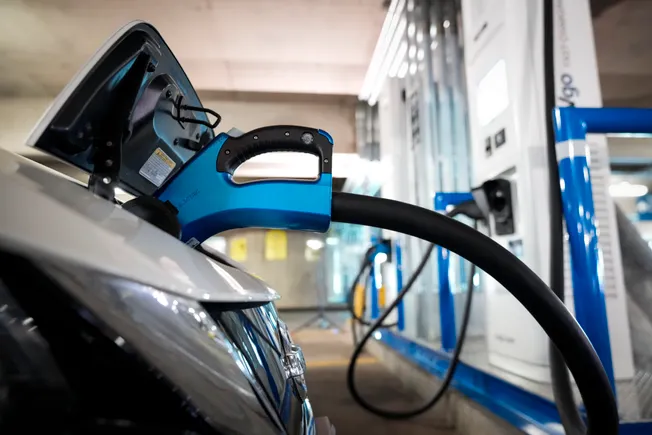
Accelerating Electric Vehicle Adoption: U.S. Utilities Deepen Cooperation with GM, BMW, Lyft and Other Automakers
The U.S. National Renewable Energy Laboratory predicts that by 2050, electric vehicles could drive a 38% increase in U.S. electricity demand. To address this trend, utility companies are building partnerships with automakers, dealers, and ride-hailing service providers to jointly tackle challenges such as grid upgrades, load management, and customer service. This article reviews specific cooperation cases involving PG&E, Con Edison, Dominion Energy, Xcel Energy, and Peninsula Clean Energy.
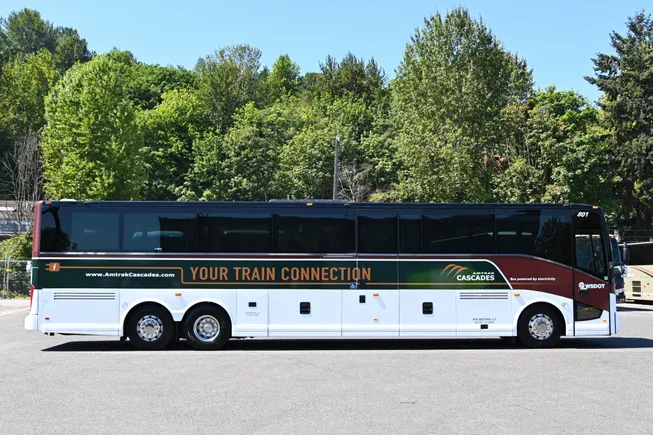
Amtrak launches first electric bus service to extend train connectivity
Amtrak has initiated its first electric bus service, operating between Seattle and Bellingham, Washington, to complement two daily round-trip trains. The nearly 200-mile round trip runs on a single charge using a Van Hool CX45e motor coach. This development highlights progress in electrifying intercity bus routes, despite infrastructure challenges. Industry observers note potential impacts on private bus operators, with Amtrak's expansion plans and federal funding shaping the competitive landscape.
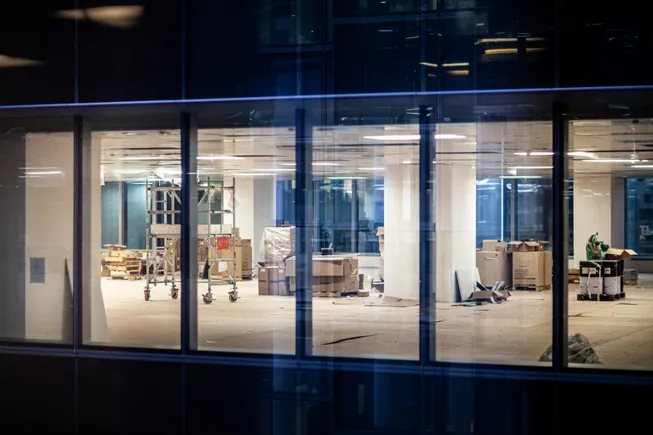
HUD Research Grants to Accelerate Commercial-to-Residential Conversion Projects
The U.S. Department of Housing and Urban Development (HUD) issued a funding notice last week, proposing to provide up to $860,000 for research on commercial-to-residential conversion cases, aiming to identify effective policy measures and incentives. Industry experts point out that this initiative could shorten conversion cycles and improve facility management efficiency, but economic feasibility still requires direct incentive support.