Deep Dive
来自我们记者的行业洞察

Ann Arbor, Michigan's 'Sustainable Energy Utility' Approved by Voters, What's Next?
Ann Arbor voters approved the establishment of a 'Sustainable Energy Utility' (SEU) with 79% support. This utility will supplement, not replace, the services of the existing investor-owned DTE Energy company, initially focusing on rooftop solar and battery storage installations, with plans to build microgrids in the future.
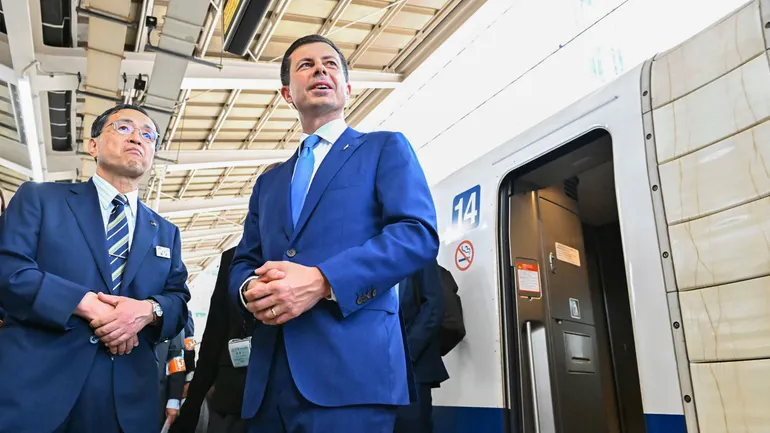
Funding and Political Games: The Biggest Obstacle to U.S. High-Speed Rail Development
U.S. high-speed rail projects have long been plagued by insufficient funding and political games. Despite polls showing majority voter support, federal funding is limited, and project advancement faces challenges such as land acquisition and cost overruns. Based on expert interviews and the latest developments, this article analyzes the current state and future of U.S. high-speed rail.
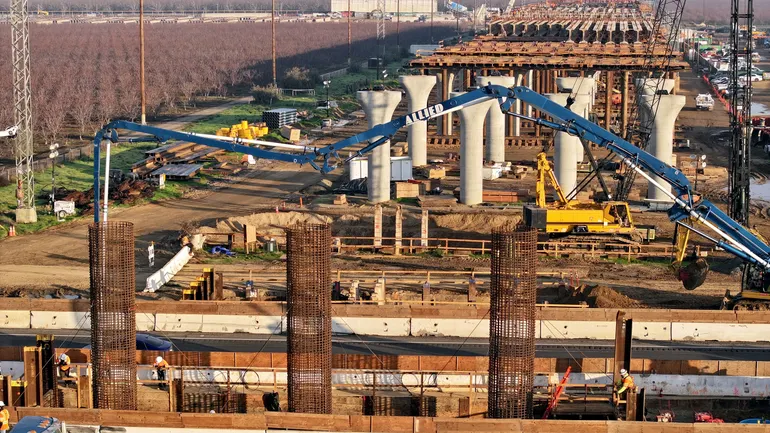

Is High-Speed Rail in the U.S. Gaining Momentum? Series Report Part 1: From Vision to Reality
High-speed rail development in the U.S. has faced many setbacks, but multiple projects are now moving forward. Transportation Secretary Buttigieg stated that once completed, high-speed rail will spark nationwide demand. This is the first article in a series, outlining historical context and current opportunities.

Montgomery County, Maryland Pioneers Air Conditioning Regulations: Reshaping Summer Tenant Rights Protection
Montgomery County, Maryland's 2020 passage of the region's first tenant air conditioning protection law requires landlords to provide cooling equipment capable of lowering indoor temperatures below 80 degrees Fahrenheit from June to September. The law originated from public testimony by tenant Victoria Price in 2019. Although it faced challenges in retrofitting older buildings during implementation, it has operated smoothly overall, providing a reference model for areas such as New York City and Los Angeles County seeking similar legislation.
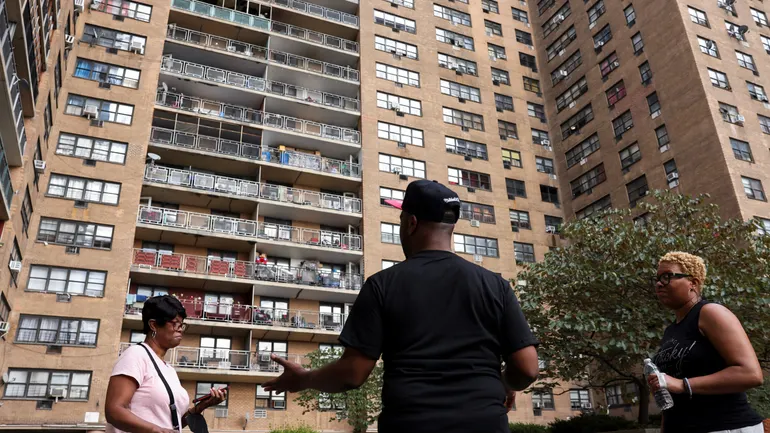
Should Tenants Have a Right to Cooling? Amid Record Heat, More Cities Say Yes
Against the backdrop of climate change driving record-breaking global temperatures, multiple U.S. cities have begun legislating to protect tenants' right to cooling, requiring landlords to provide functioning air conditioning units and keep indoor temperatures within specific upper limits. Based on a review of policies in Dallas, Montgomery County, Chicago, New Orleans, New York, and Los Angeles, and drawing on expert perspectives from Duke University and UCLA, this article analyzes the necessity, enforcement challenges, and points of contention in such policies.

Autonomous Trucks Head Toward 'Driverless': Texas Testing Reveals New Industry Phase
In Lancaster, Texas, a Kodiak Robotics autonomous truck autonomously performed lane changes, avoidance maneuvers, and deceleration on Interstate 20. As Kodiak and Aurora Innovation plan to launch safety-driverless operations in Texas later this year, the industry stands at a critical juncture moving from 'assisted driving' to 'full autonomy.' Through on-site observations and multiple interviews, this article presents technological maturity, safety assessment frameworks, and diverse voices from the freight industry.
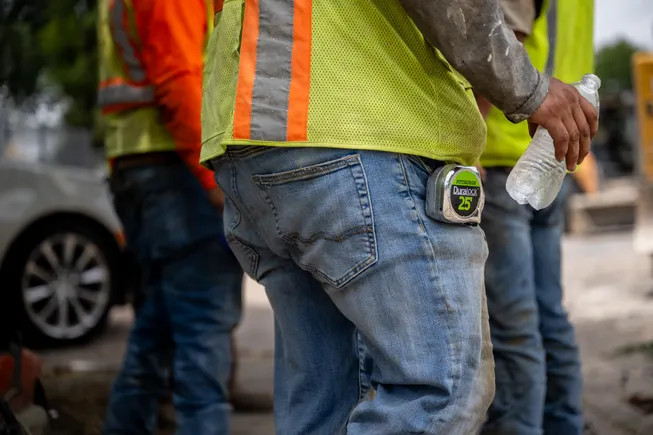
Extreme heat hits, contractors say they are prepared to respond
As temperatures in many parts of the western United States exceed triple digits (Fahrenheit), construction industry contractors emphasize they are prepared for extreme heat. They have adopted multiple measures, including adjusting work schedules, setting up cooling stations, and strengthening training, to reduce the risk of heatstroke among workers.

Heat Safety Regulations Face Tests: Texas and Florida Bans Coexist with Phoenix's New Rules
As summer approaches, policy divisions over heat safety at work are emerging across multiple U.S. states and cities. Texas and Florida have passed laws banning local governments from requiring employers to provide water and rest breaks, while Phoenix has adopted new rules requiring contractors to implement heat safety plans. OSHA is developing federal heat standards, but current enforcement still relies on the General Duty Clause.