
Extreme heat hits, contractors say they are prepared to respond
As temperatures in many parts of the western United States exceed triple digits (Fahrenheit), construction industry contractors emphasize they are prepared for extreme heat. They have adopted multiple measures, including adjusting work schedules, setting up cooling stations, and strengthening training, to reduce the risk of heatstroke among workers.
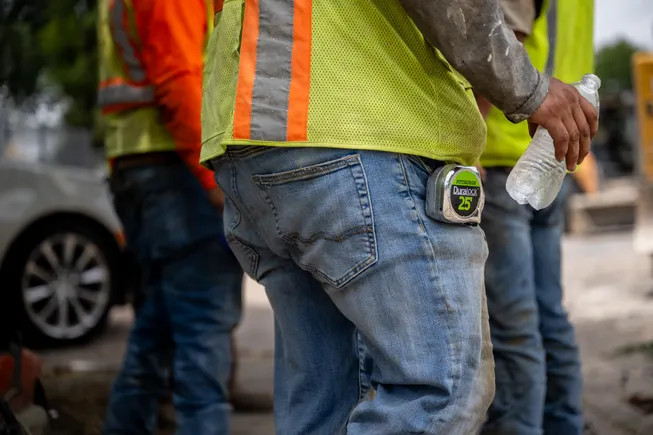
Although summer doesn't officially begin until June 20, high temperatures have already arrived early. Specifically, the western United States is experiencing triple-digit (Fahrenheit) temperatures for the first time this year, as a massive heat dome blankets the region, bringing muggy weather and increasing the risk of wildfires. According to Axios, approximately 27 million people in California, Nevada, Utah, and Arizona are facing extreme heat.
However, construction industry leaders say they are prepared for the extreme heat expected this week and throughout the summer. They have developed heat safety plans, educated their teams, and ensured workers stay cool.
Plans, Posters, and Flexible Scheduling
Experts say safety measures begin with understanding the problem. Extreme heat can not only cause heat illness but also lead to a range of accidents and injuries.
"Data shows that workplace injuries surge in the summer," said Paul Haining, Chief Environmental, Safety, and Health Officer at Skanska USA. "We assess these high risks through our construction work plans and daily hazard analyses, prioritizing the mitigation or elimination of hazards."
Steps to Prevent Heat Illness on Job Sites
- Develop a heat illness prevention plan.
- Protect new workers from heat exposure.
- Get guidance on control measures, work practices, and personal protective equipment.
- Provide regular water, rest, and shade.
- Train workers on heat safety.
- Learn the symptoms of heat illness and first aid procedures.
Source: OSHA
Haining mentioned that these strategies include education around heat illness prevention, scheduled job rotations, cooling stations, and hydration areas, and even analyzing vacation schedules to ensure tasks are properly covered.
"Every contract and every project we have is planned with climate considerations in mind," said Steve Spaulding, Vice President and Chief Environmental, Health, and Safety Officer at Turner, the largest contractor in the U.S. by revenue.
Turner's approach includes identifying which job sites face high temperatures that day and adding fans, misters, and tents for hydration breaks.

At a project in San Diego, Turner took an innovative approach to help workers assess their hydration status while using the restroom.
"It's a bit funny, but there's a urine color chart posted right where you can see it," Spaulding said, so workers can check themselves to see if they need to hydrate.
Experts point out that even with these protections, workers can still suffer from heat, which is why education is so important. Federal guidelines recommend acclimatizing workers to heat gradually, as most heat-related injuries occur during the first week on the job, according to OSHA.
"The vast majority of us have never truly acclimatized to heat," said Greg Sizemore, Vice President of Workforce Development at Associated Builders and Contractors. "Contractors in the civil industry are adjusting their work hours, working in the cooler evenings or early mornings before it gets too hot outside."
Frank Trujillo, Vice President of Safety at Miller & Long Concrete Construction, based in Bethesda, Maryland, also agrees that adjusting work hours is a good approach.
"If I could snap my fingers and change one thing, it would be that everyone who cares about the plight of construction workers would also be willing to set aside some personal concerns and allow these workers to work during the cooler nighttime hours," he said.

Turner's Spaulding says the cost of health and safety resources—such as misters and cooling stations—is hardly an issue.
"The benefits far outweigh any potential cost impact," he said.
Sizemore opposes viewing safety issues through a budget mindset.

"We have to start using different language. This is not an expense, not a cost to the contractor; it's an investment in workforce development," Sizemore said. "You can't afford not to invest."
And it's never too early to prepare for the upcoming heat. Trujillo says his team starts educational training in March.
"Get everyone up to speed, understand what's coming, know the symptoms," he said, though caution is needed when informing workers about potential health threats to avoid infringing on their personal medical history privacy. "One of the biggest issues is understanding how people's personal choices put them at risk for heat."
Trujillo says an unexpected positive aspect is that the pandemic helped the public understand underlying health conditions that might make them more susceptible.
"It's interesting to have a safety person find a positive from the pandemic," he said.