Deep Dive
来自我们记者的行业洞察
Five Clean Energy Ballot Initiatives Poised to Push U.S. States and Cities Toward 100% Renewable Energy
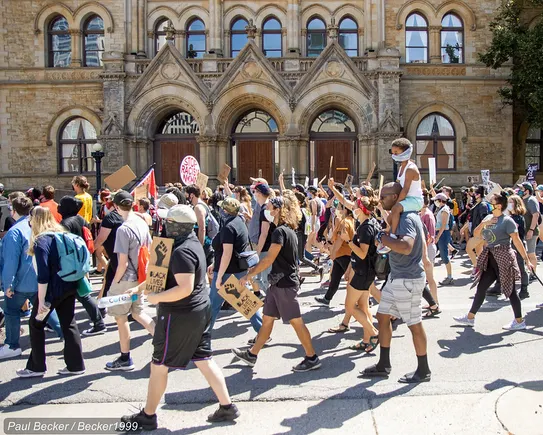
During the 2020 U.S. elections, multiple local clean energy ballot initiatives were passed, covering Nevada, New Mexico, Columbus, Denver, and Boulder, aiming to push states and cities toward 100% clean energy goals.

The Funding Game of Climate Action: The Financing Logic Behind U.S. Local Referendums
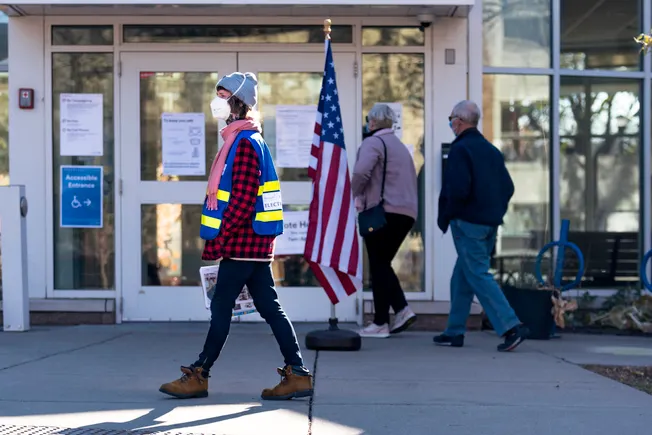
During the 2020 U.S. elections, multiple localities passed referendums to finance climate action. This article reviews six key referendums in Denver, Austin, Berkeley, and others, analyzing their funding sources, controversies, and alternatives.
The fuel tax dilemma has long existed, and the pandemic may be the final push to end it
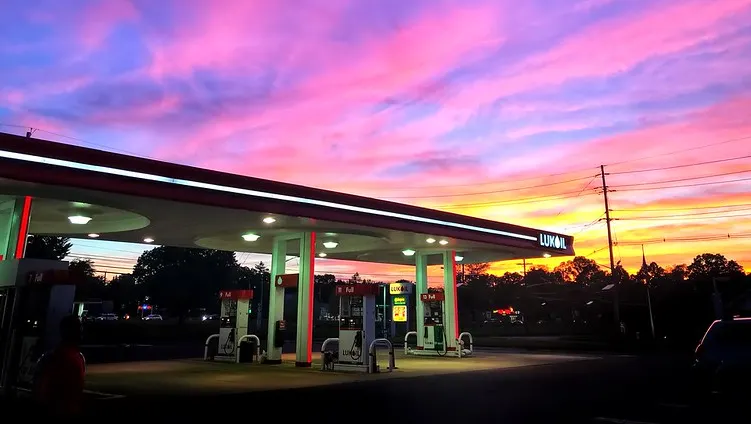
The pandemic has led to a sharp decline in driving, causing fuel tax revenues to plummet and widening the funding gap for U.S. transportation infrastructure, prompting a reexamination of alternatives to the fuel tax.
How can downtown decline be reversed? Experts suggest achieving reconstruction through 'tactical urbanism'
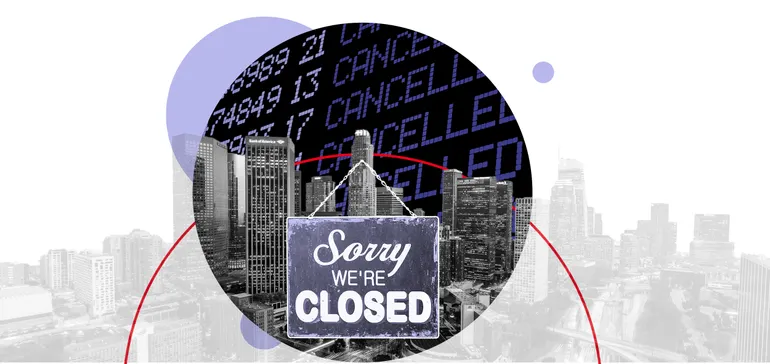
The COVID-19 pandemic has had a profound impact on urban center areas, leaving large amounts of office, retail, and dining spaces vacant. However, multiple urban planning experts believe that cities will not perish due to the pandemic; the key lies in adopting flexible strategies: repurposing commercial spaces, supporting outdoor dining, expanding parks and green spaces, and leveraging technology to enhance the utilization of public spaces. This lightweight intervention approach of 'tactical urbanism' may become a critical path for downtown reconstruction.
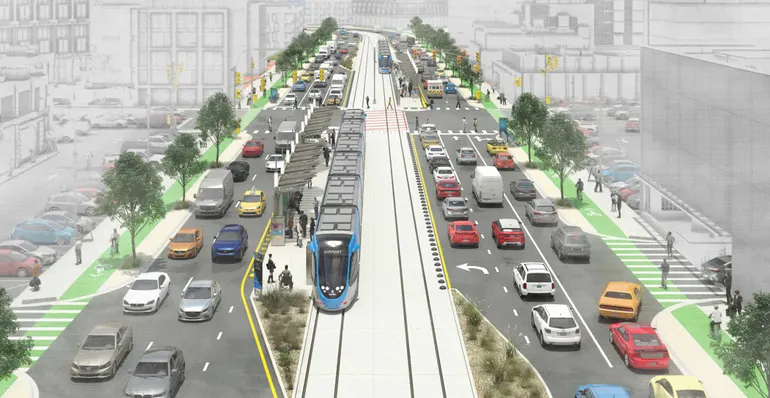
The Controversial $7.1 Billion Austin Transit Transformation Plan: Voters Poised to Decide
Austin voters will vote on November 3 on the Project Connect initial investment measure (Prop A), a $7.1 billion plan funded by an 8.75-cent per $100 property tax increase, to build light rail, tunnels, and an electric bus network. Supporters say it helps ease congestion, reduce emissions, and promote equity, while opponents question high costs and outdated technology. If it fails, some projects may still move forward.
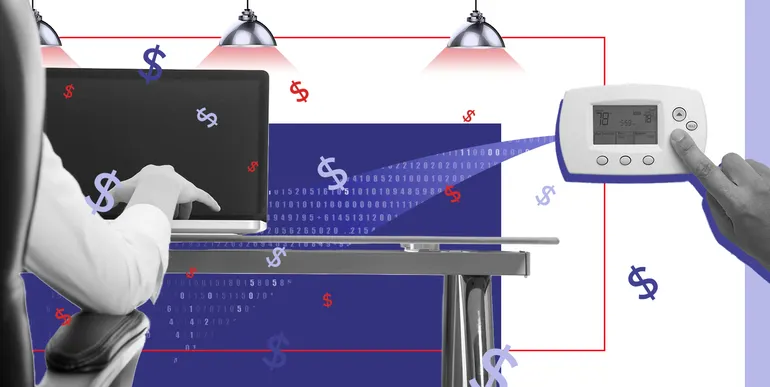
Cities Lead the Way in Energy Efficiency as a Service (EEaaS), Private Sector Accelerates Catch-up
Energy Efficiency as a Service (EEaaS), a long-term contract financing model, is being promoted primarily by the public sector, with the private sector gradually following suit under pressure from investors and consumers. Technological developments have simplified energy-saving monitoring, but the pandemic has slowed short-term projects, potentially accelerating alternative financing demand in the long run.
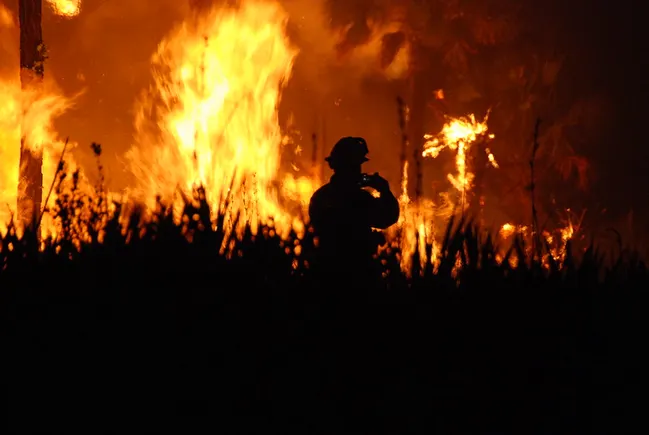
Wildfires and COVID-19 Double Impact on West Coast Cities in the United States
A wildfire sparked by a gender reveal party in San Bernardino County, California, has burned nearly 9,000 acres of land. Against the backdrop of the COVID-19 pandemic, the extended wildfire season, deteriorating air quality, and pandemic prevention measures are compounding, posing severe challenges to the health of residents in West Coast cities, firefighting manpower, and public resources. Local governments are adjusting shelter strategies and public awareness campaigns, and are attempting to mitigate long-term risks through investments in forest management.