
Deep Dive
来自我们记者的行业洞察
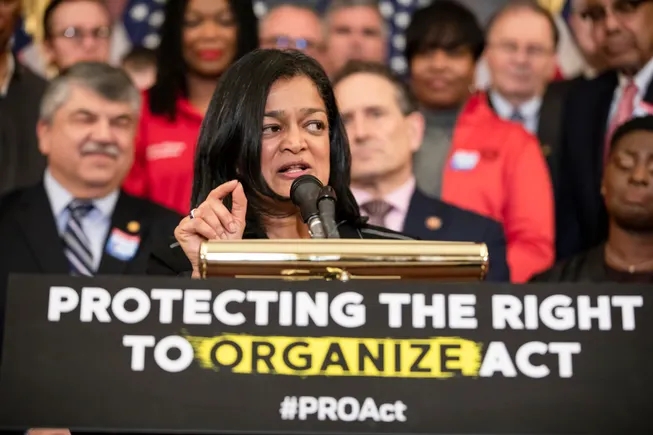
Ten Key Provisions of the PRO Act Could Reshape the U.S. Labor-Management Relations Landscape
As a significant proposal in U.S. labor legislation, the PRO Act is sparking widespread discussion. The bill aims to amend multiple laws, including the National Labor Relations Act, by expanding the definition of employee, overturning state 'right-to-work' laws, and increasing penalties for violations to strengthen union organizing capacity. Supporters argue it would promote workers' rights and racial economic justice, while opponents worry it would disrupt the franchise model and small businesses. Based on Senate hearing testimonies and expert analysis, this article systematically interprets the bill's ten potential impacts.
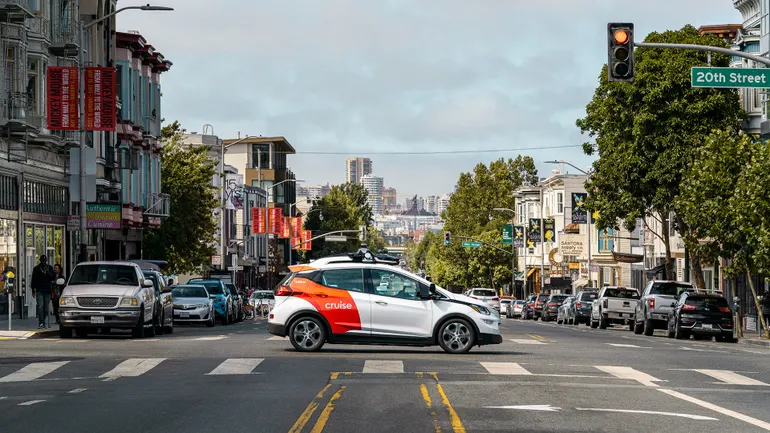
California's First Autonomous Public Passenger Pilot Program May Reshape Industry Landscape and Market Trends
Cruise, under General Motors, is about to launch California's first autonomous passenger service pilot open to the public, initially offering free rides to passengers. The pilot was authorized by the California Public Utilities Commission (CPUC) in June and only permits autonomous vehicles with a capacity of fewer than 15 passengers. The industry widely focuses on data collection, public acceptance, and regulatory metrics during the pilot, believing that its success or failure will influence the subsequent promotion and commercial deployment pace of autonomous driving technology.

Philadelphia Eviction Diversion Program: A 'Lifeline' for Tenants
Philadelphia resident Eboni Ann Jones faced pressure from surgery and medical bills during the pandemic and nearly couldn't pay her rent. Thanks to Philadelphia's eviction diversion program, she obtained federal rental assistance through mediation and avoided eviction. Since the program's implementation in June 2020, annual eviction cases dropped from about 20,000 to 4,500 in 2020, with 70% to 80% of mediated cases reaching agreements. Despite funding and future uncertainties, the program is seen as a model for addressing poverty-related evictions.
Automakers and universities join forces to tackle autonomous driving talent shortage
The autonomous driving industry is projected to reach a market value of $556.67 billion by 2026, but the insufficient supply of qualified engineers has become a bottleneck. Institutions such as Ohio State University, College of Charleston, and Pima Community College are collaborating with automakers to offer courses in autonomous driving engineering and cybersecurity, while organizations like SAE International have launched training programs aimed at expanding the talent pipeline and addressing workforce transformation.

Satellite Internet: A Remedy for Bridging the Digital Divide, or a 'Scientific Experiment'?
In December, the U.S. Federal Communications Commission (FCC) allocated $9.2 billion to provide internet access to approximately 10 million rural residents. SpaceX's Starlink received $885.51 million, but it sparked controversy. Supporters argue that low-orbit satellites can address the issue of insufficient fiber optic coverage, while opponents question its cost and technical reliability. This article analyzes the current status, challenges, and prospects of satellite internet.

Local policymakers scrutinize ShotSpotter's ambiguous return on investment
Since an 11-year-old girl in Kansas City died from celebratory gunfire in 2011, local police have used ShotSpotter technology for annual community outreach, but the technology's return on investment has been difficult to quantify. Although ShotSpotter saw revenue growth in 2020, several cities terminated or reassessed contracts due to financial pressures or doubts about effectiveness. Experts point out that technology is not a quick fix for gun violence, and cities should prioritize investing in research-supported policing strategies and reforms.
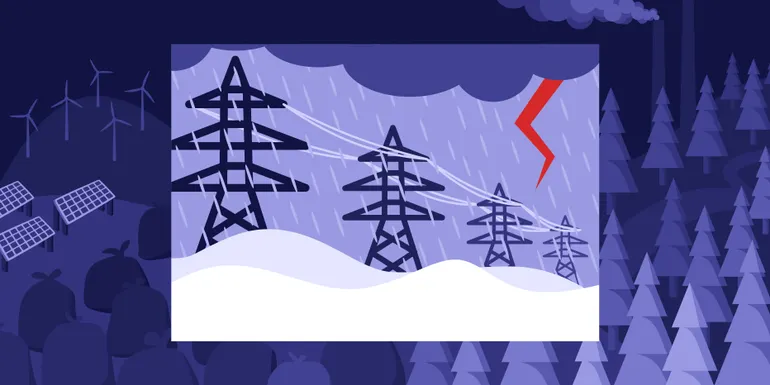
Texas power experts refute the erroneous claim that the power outage is attributed to renewable energy
As rolling blackouts continue in Texas, power experts clarify that the main causes are constrained natural gas supply and extreme weather, not renewable energy.

Frequent Attacks on Transit Employees: Union Representatives Say 'We Are Powerless'
New York bus driver Monique Longden has been attacked multiple times during her career, and her experience reflects the widespread safety crisis faced by transit employees nationwide. Union leaders point out that insufficient funding, declining services, and social psychological issues have exacerbated conflicts, while the enforcement of mask mandates during the pandemic has made drivers 'targets of public anger.' At the legislative level, bipartisan proposals seek to improve the situation through mandatory safety plans and federal oversight, but progress has been slow.

Arizona Legislature vs. Regulators: The Constitutional Battle Over Zero-Emission Mandates
Arizona lawmakers have proposed SB 1175, aiming to restrict the authority of the Arizona Corporation Commission (ACC) and make its November 2020 zero-emission mandate for 2050 unconstitutional. The bill has sparked intense debate over the ACC's constitutional powers and the conflict between the 2011 Miller case and the 2020 Johnson case precedent. Supporters argue that the legislature holds ultimate policy authority, while opponents claim the bill seeks to overturn clean energy rules. The bill is currently stalled in the Senate, has passed the House, and may ultimately be taken to the Supreme Court.
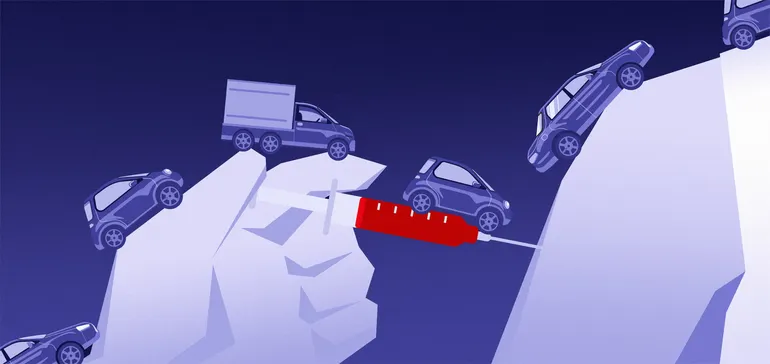
Transit Agencies Grapple with Policy Fog in Vaccine Rollout
As New York's Metropolitan Transportation Authority (MTA) mourns 136 employees who died of COVID-19 with a memorial video, transit agencies nationwide are striving to secure vaccination opportunities for frontline workers. Although federal guidelines list transportation workers as a priority group in Phase 1b, implementation varies by state, with some states shifting to age-based vaccine allocation. Unions call for leveraging their networks to assist with vaccination and education, while experts remind agencies to balance employee health with operational continuity.