
Deep Dive
来自我们记者的行业洞察
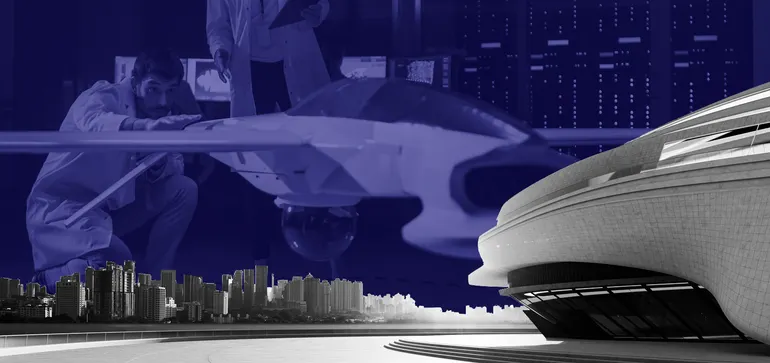
Flying taxis, hyperloop and driverless cars: Is it too early to plan for future mobility?
As flying taxis, hyperloop, and autonomous driving technologies accelerate, multiple U.S. cities have begun crafting transportation plans for the coming decades. However, while pursuing new technologies, balancing improvements to existing transportation systems and equity has become a challenge for decision-makers.
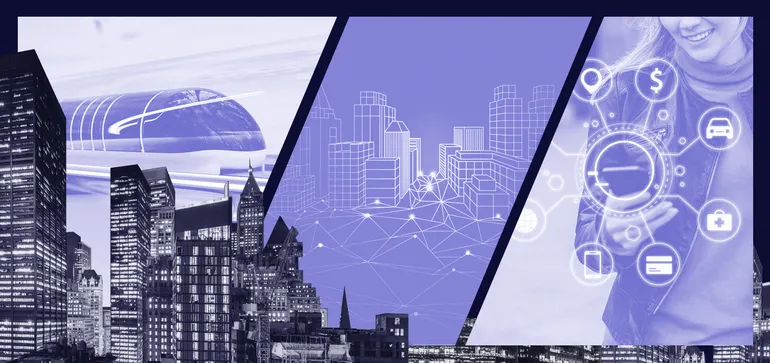
The Future of Smart Cities: Leaders Predict More Digitally Equitable Governance
Smart city leaders predict that over the next five years, greater emphasis will be placed on digital equity, anti-racism, and fairness, using data-driven decisions and community engagement to address urban challenges, but funding shortages and resident trust remain major obstacles.

Flood risks constrain the legalization process of basement apartments in cities
Facing the housing affordability crisis, multiple cities are turning their attention to basement spaces. However, extreme weather intensified by climate change adds extra challenges to this strategy. After Hurricane Ida, New York City reflected on basement safety issues, with pilot projects progressing slowly; Chicago, Boston, and other places are exploring the legalization of accessory dwelling units (ADUs) while needing to address flood risks. All parties are seeking a balance between safety and housing supply through policy adjustments, insurance innovation, and risk assessment tools.
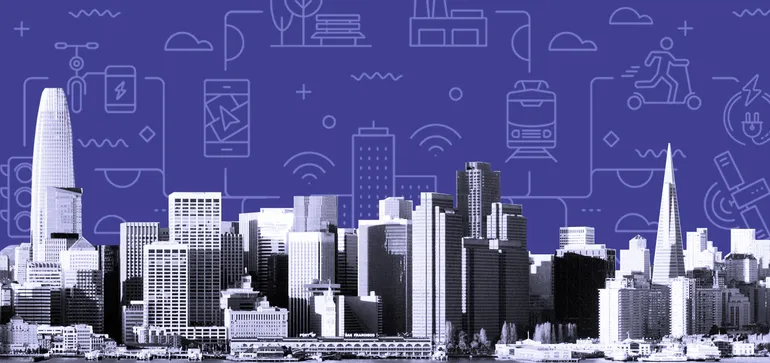
The Evolution of Smart Cities: From a 'Technological Arms Race' to a People-Centered Return
Five years ago, the smart city movement was obsessed with 'grand visions' such as autonomous vehicles and flying cars, but many city leaders now admit that this technology-first approach ignored residents' real needs and even exacerbated the digital divide. The pandemic became a turning point, prompting cities to refocus on equity, privacy, and essential services. Through case studies of cities like Portland, San Francisco, Boston, and Denver, this article reveals how smart cities have transitioned from an 'arms race' to a pragmatic, people-centered transformation.
15 City Leaders Redefine 'Smart Cities'
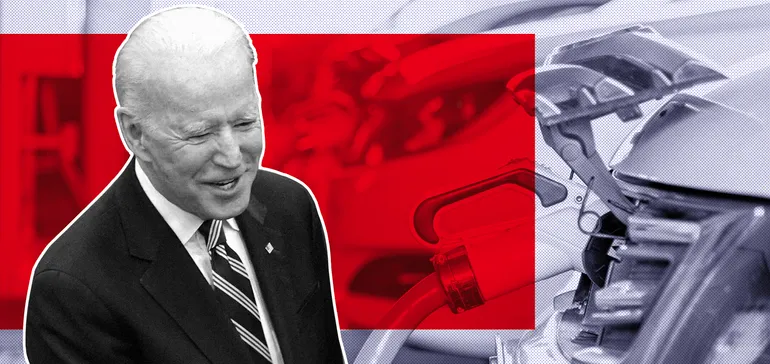
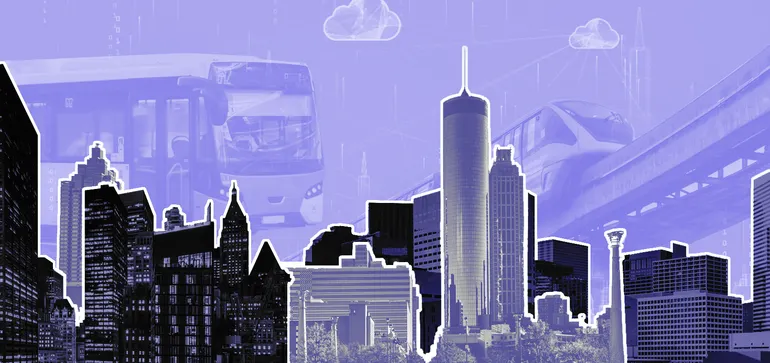
The concept of smart cities is undergoing profound transformation. Leaders from 15 major U.S. cities share their latest definitions of smart cities, emphasizing a people-centered, data-driven, and equitable approach rather than mere technology deployment.
Can digital twins become the future of urban planning?
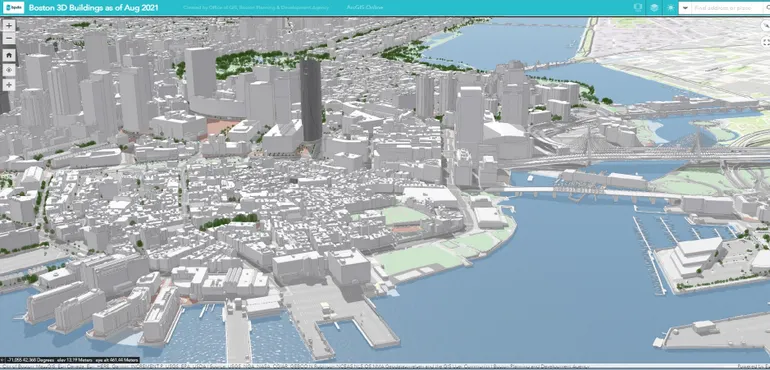
Digital twins, as 3D virtual replicas of the physical world, are increasingly being used by cities for planning rehearsals. Boston has been building a city model since 2015, Chattanooga uses real-time data to optimize traffic signals, and cities like New York and Las Vegas focus on building decarbonization. However, data maintenance, privacy, and cost remain major obstacles.
If infrastructure bill passes, Amtrak plans major expansion by 2035
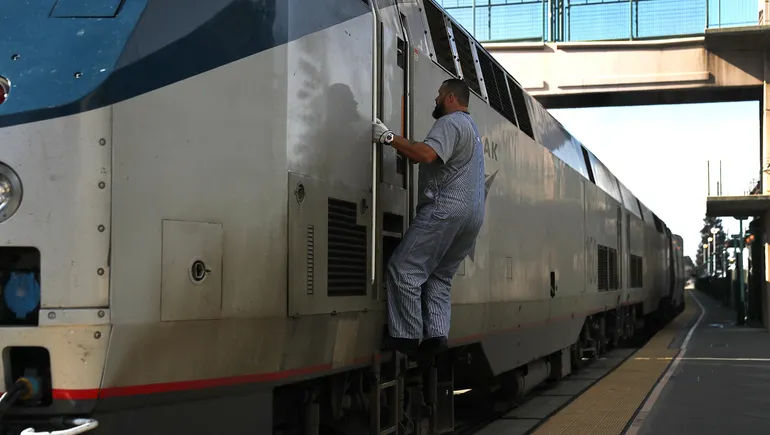
Amtrak proposes adding more than 30 new routes and improving service on at least 20 existing routes by 2035, but whether the plan can be realized depends on whether Congress passes the $1 trillion infrastructure bill.
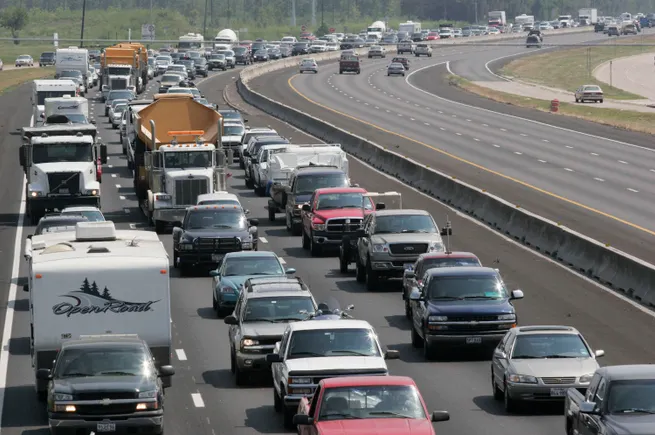
How Should Urban Transportation Policies Respond as the Pandemic Reshapes Car Ownership Patterns?
The pandemic has driven some urban residents toward private cars, leading to a surge in new car registrations in places like New York, while public transit ridership remains persistently low. Urban planners and experts are exploring ways to balance travel efficiency and sustainability goals through road redesign, promotion of shared mobility, and infrastructure investment.