
Governance & Finance

DOT proposes streamlining land leases along roads, railroads for utility use
The U.S. Department of Transportation (DOT) announced a proposal on Wednesday to simplify procedures for state transportation departments and railroad companies to lease land along highways, railroads, or utility tunnels to lay critical utilities such as power lines, fiber optics, and water pipes. The initiative, named "corridors of commerce," will be advanced through public-private partnerships and accelerated by an interagency federal working group. Lease revenues can be used for repairs and upgrades of roads, bridges, tunnels, and railroads. DOT's Build America Bureau will manage the program and initially select up to five priority corridors. A Request for Information (RFI) was issued on August 18, with public comments due by September 12.
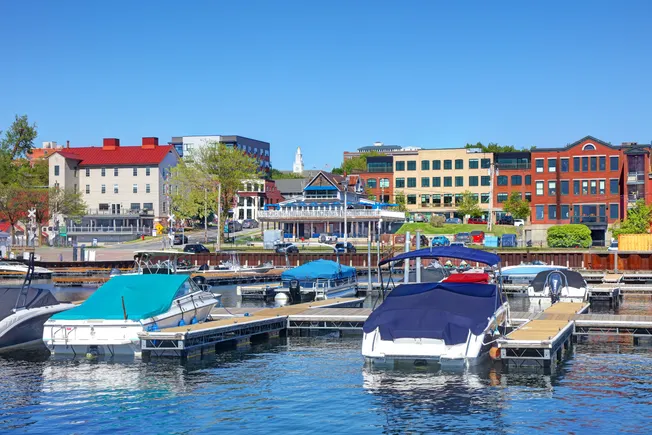
10 best cities for work, according to a job search site
Job site Indeed released its first "Best Cities for Jobs in 2026" report on August 25, comprehensively scoring 233 U.S. metropolitan areas with populations over 200,000. Boston, Washington, D.C., and Burlington, Vermont, ranked in the top three. The report noted that large coastal cities excel in wages and career mobility, while smaller cities in the North and Midwest offer more work-life balance opportunities.
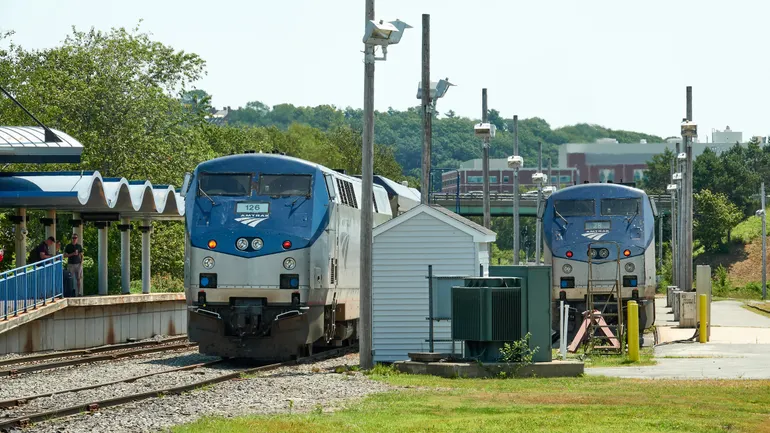
Amtrak, cities and states get $5.3B in federal rail grants
The Federal Railroad Administration announced $5.3 billion in safety grants on Friday, funding 41 projects in 23 states and new Amtrak trains. Amtrak will receive $2.05 billion for 43 new passenger train sets and $140 million for locomotive repairs. Approximately $3.2 billion goes to highway-rail grade crossing improvements, bridge repairs, station upgrades, and other projects.

California High-Speed Rail Faces Funding Gap by End of 2027, Inspector General Warns
The California High-Speed Rail Authority may run out of money by December 2027 if it cannot borrow against expected cap-and-invest revenues, according to a July 31 report from the Office of the Inspector General. The report criticizes the authority's optimistic assumptions and highlights potential higher borrowing costs and unlikely federal funding.

State Preemption Laws Reshape County Land-Use Authority, NACo Analysis Finds
The National Association of Counties (NACo) reports that over 500 bills introduced in 40 states last year contained preemption clauses affecting county land-use authority. Housing supply and affordability motivated 38% of these measures, with California, Arizona, and Washington leading in bill counts. The analysis highlights a growing trend of state legislators reducing local control over housing development, energy projects, and economic development.

Online Payments: 8 Strategies for Cities to Enhance Convenience and Security
As more residents pay city bills online, municipalities face challenges in convenience, security, and back-office efficiency. Drawing on insights from Santa Barbara finance officials and industry experts, this article outlines eight key considerations—ranging from cybersecurity and vendor partnerships to fee structures and digital wallet support—to help cities design better online payment systems.
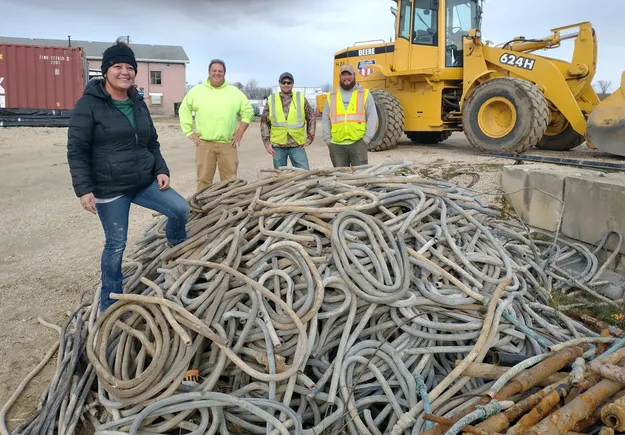
2026 Smart Cities Dive Public Service Awards: Nominations Now Open
Smart Cities Dive invites nominations for the 2026 Public Service Awards, recognizing exemplary public servants. The awards continue the legacy of the American City & County Exemplary Public Servant Awards after last year's merger. Nominees are evaluated on community impact, leadership, innovation, mentorship, results focus, and collaboration. The deadline is March 31, 2026, and submission is free. Photo guidelines apply.

LA passed a $30 minimum wage for hospitality workers. Hotels continue to fight it.
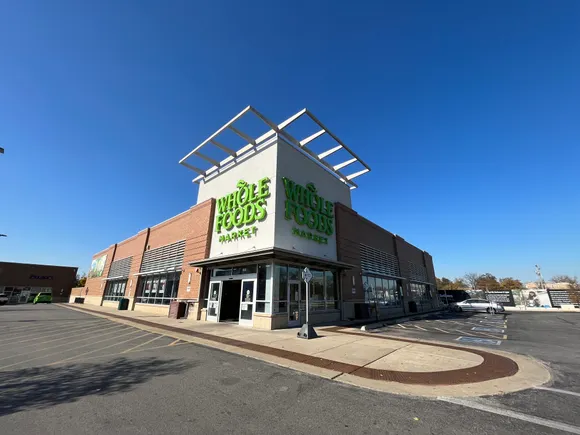
Whole Foods' Englewood Exit: A Case Study in Grocery Access and Community Trust
Whole Foods Market's departure from Chicago's Englewood neighborhood in late 2022, after six years of operation, has become a focal point for discussions on food access, corporate responsibility, and community engagement. The store, once hailed as a game-changer for the economically challenged South Side community, closed amid criticism from local officials and residents. This article explores the factors behind the closure, the community's response, and the broader implications for grocery chains operating in low-income areas.
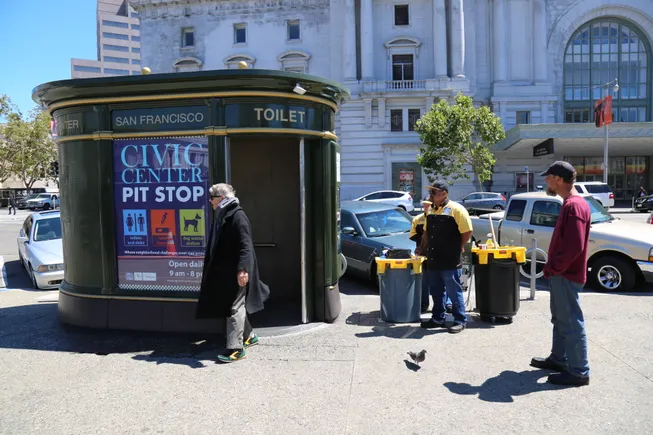
Expanding Public Toilets: How San Francisco and Seattle Are Tackling the Crisis
This article examines how San Francisco and Seattle are addressing the shortage of public toilets in the U.S. San Francisco's Pit Stop program, inspired by a 13-year-old's plea, has grown to 33 locations, while Seattle's nonprofit Real Change campaigned for permanent bathrooms but saw funds redirected during the pandemic.