
Tech & Data

AI oversight still lacking in NYC despite city progress: state audit
The New York State Comptroller's Office released a follow-up audit report on August 27, indicating that New York City has made some progress in artificial intelligence governance, but multiple areas still require improvement. The report states that the NYC Office of Technology and Innovation has only partially implemented the three recommendations from the 2023 audit, and has not yet completed key tasks such as AI tool approval requirements, data quality assurance, and accuracy and bias monitoring.

Local government is fragmented. Here’s how AI is helping residents navigate it.
Local government departments are numerous and functions are dispersed, and residents often struggle because they are unclear about which department to contact. Today, AI virtual assistants are changing this situation: Mari in Maricopa County can answer questions about adopting pets across websites, while DC Compass in Washington, D.C., can search thousands of datasets and generate maps. These tools not only serve residents but also assist internal government decision-making, making data access more equitable and convenient.
Local government agencies are dispersed, AI assistants help residents navigate efficiently
To help residents cope with fragmented municipal websites, multiple U.S. cities and counties have launched AI virtual assistants. Tools such as Mari in Maricopa County and DC Compass in Washington, D.C., support natural language queries, provide conversational responses, links, and maps, and integrate cross-departmental data to streamline access to public services.
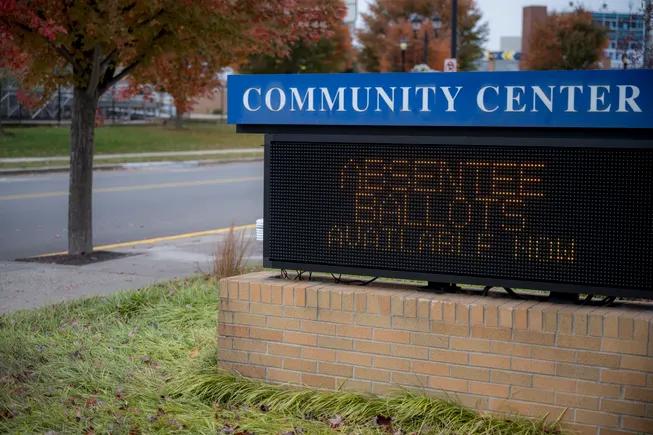
Weather, wayfinding, wait times: How government digital signage can keep things fresh
Kitcast's 2026 Digital Signage Industry Report shows that local government digital signage has a median update cycle of 7.5 days, leading most industries, but 28% of content remains outdated for over a year. The report recommends that cities and counties increase interactive service content, such as wayfinding and wait times, to enhance public experience.

NLC Partners with CyberAlliance to Deliver AI-Driven Cyber Resilience Support for Municipalities
The National League of Cities (NLC) has teamed up with cybersecurity firm CyberAlliance to provide local governments with AI-assisted cyber risk assessments and resilience strategies. The initiative includes access to workshops, benchmarking, and CyberAlliance's Sally AI platform. It arrives as municipalities face a 42% surge in cyberattacks and the loss of federal funding for the MS-ISAC program.

Cyber attackers are already using AI, and local governments must keep up
As automated cyber attacks such as AI-driven ransomware and sophisticated network injections become increasingly rampant, U.S. state and local governments are shifting from "can we trust AI" to "how to use AI for defense." According to the 2026 NASCIO survey, 23 states have already used AI for cybersecurity operations, and another 21 states plan to follow suit within 12 months. California, New Jersey, and other places have taken the lead in deploying AI real-time monitoring and threat intelligence platforms to narrow blind spots and accelerate response. The author of this article, Tim Miller (Field CTO at Dataminr), points out that governments need to build digital fortresses with real-time, trustworthy AI intelligence, protecting public trust while safeguarding data.

Utah Expands Lidar-Powered Intersection Intelligence to 160 Sites
The Utah Department of Transportation has selected Econolite to install Ouster's lidar-based traffic management technology at 160 intersections statewide, expanding a prior 2025 partnership. The system aims to improve safety for pedestrians, cyclists, and other vulnerable road users through real-time signal adjustments.


Amid an 'Epidemic of Loneliness,' Older Adults Embrace Digital Tools
The pandemic has intensified loneliness among older adults, but technology offers a lifeline. From virtual senior centers to federal broadband investments, communities are working to bridge the digital divide and improve seniors' mental and physical health.

Smart Cities' Next Chapter: Leaders Envision Digitally Just and Community-Driven Governance
A Smart Cities Dive survey of leaders from 15 major U.S. cities reveals a shift from tech-centric projects to a focus on digital justice, anti-racism, and equity. Cities like Portland, Boston, and San Antonio plan to embed these principles into their smart city strategies, while also prioritizing community engagement and data-driven governance. However, obstacles such as funding limitations, security concerns, and resident trust remain significant hurdles.