
Housing

Seattle City Council Approves Ban on Rental 'Junk Fees'
The Seattle City Council voted 8-0 to ban rental 'junk fees' such as administrative service charges, pet rent, and package fees. The ordinance mandates clear upfront pricing, expands investigative authority, and allows the City Attorney to recover triple damages. It applies to rental agreements entered after July 1, 2027, and aligns with broader national scrutiny of rental fee transparency.

NYC Luxury Second-Home Tax Proceeds Amid Legal Challenge
New York City's 'pied-à-terre' tax on luxury second homes is moving forward after an appeal stayed a judge's temporary restraining order. The tax, expected to generate $500 million in FY 2027, faces a lawsuit over notice and burden of proof. Other states are also enacting similar taxes.

Soaring Home Insurance Costs Compound Texas Housing Affordability Crisis
New research from Rice University's Kinder Institute shows home insurance premiums in Texas have outpaced income growth, pushing more households toward cost burdens and pricing out nearly 50,000 additional buyers with a 10% premium hike.
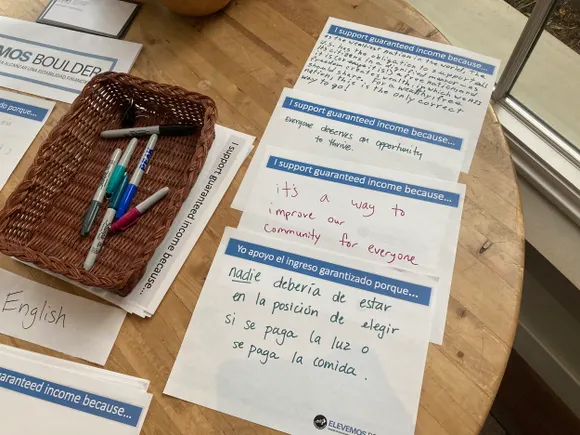
150城试行无条件基本收入:成效与局限并存
自2019年加州斯托克顿启动首个试点以来,美国已有超过150个城市推出无条件基本收入项目。近期多项研究显示,这类每月无条件现金补助有效缓解了住房、食品等基本需求压力,并改善了受助者的心理健康,但在促进长期就业和财务自给方面效果有限。部分城市已扩大或永久化该项目,也有州政府以“助长依赖”为由加以禁止。

DOGE Layoffs Cast Uncertainty Over Washington, D.C.-Area Apartment Market
The Trump administration's federal workforce cuts, led by DOGE, have unsettled the Washington, D.C., apartment market. While owners and REITs report no immediate portfolio impacts, they worry about demand, leasing, and transaction activity. Market diversification and return-to-office mandates offer some counterbalance.
Houston's Data-Driven Blueprint for Housing-First Homeless Strategy
Houston's homeless response system, The Way Home, relies on rigorous data analysis to invest limited public funds where they yield the highest returns. With over $60 million in federal, state, and county funding last year, the city has reduced homelessness by 63% since 2011. This article explores how data collection, from Homeless Management Information Systems to point-in-time counts, informs strategic decisions, evaluates program impact, and drives the housing-first model—while acknowledging the challenges of data privacy, quality, and integration.

Coordinated Care: The Backbone of Houston's Housing-First Homelessness Strategy
Houston's homelessness response system, built on a housing-first model with wraparound services, has cut regional homelessness by about 63% since 2011. Central to this success is The Way Home, a coordinated continuum of care that aligns over 20 funding sources, multiple agencies, and diverse service providers. This piece examines the mechanics, benefits, and challenges of Houston's coordinated approach, drawing on insights from key stakeholders.
Houston’s housing-first model is reducing homelessness. Here’s how it works and the obstacles it faces.
Houston's housing-first model is reducing homelessness. Here’s how it works and the obstacles it faces.

The Struggle to Find a Public Toilet
U.S. cities have long struggled to provide adequate public toilets, with the country averaging eight per 100,000 people. Philadelphia, responding to a hepatitis A outbreak, is installing Portland Loos, while Washington, D.C. is launching its own pilot program. The shortage disproportionately affects unhoused people, and cities are now exploring permanent, equitable solutions.