Climate & Resilience

Congressional action on energy permitting remains stuck, but states, developers are finding solutions

Baltimore's $4M EPA Grant Aims to Reshape Organics Management
Baltimore City has secured a $4 million U.S. EPA grant to develop a solar-powered composting facility at its existing Bowley's Lane Drop-Off Center, a move that could help the city advance its organics diversion goals. The facility is expected to divert 12,000 tons of organic waste from landfills annually. City officials and community composters view the grant as a positive first step, though challenges remain in building a comprehensive organics management system.

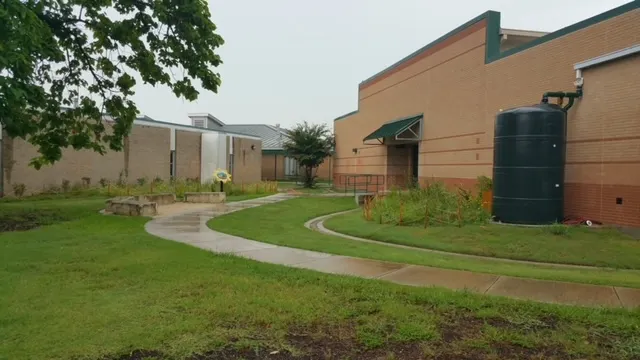
Advocates: Trees, Rain Gardens and Other 'Nature-Based Solutions' Offer Cost-Effective Climate Adaptation for Cities
In the wake of the February 2023 Austin ice storm that left over 100,000 residents without power, city officials and resilience experts are championing nature-based solutions—like urban trees, rain gardens, and green stormwater infrastructure—as cost-effective climate adaptations. With federal backing from the Biden administration's 2022 roadmap, these approaches aim to integrate ecosystem functions into urban design, offering benefits from cooling and flood reduction to job creation and equity improvements.
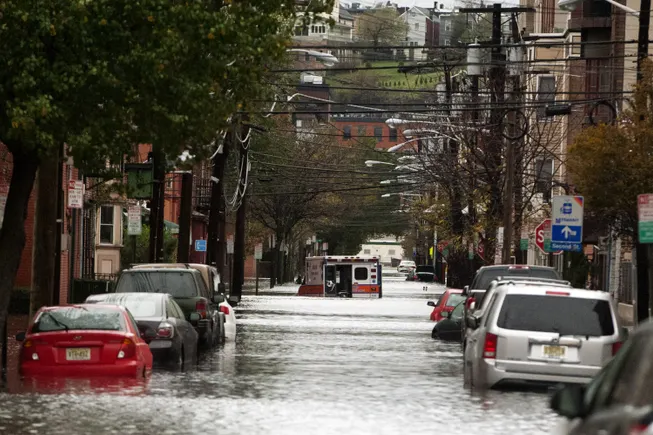
As Urban Centers Declare Climate and Affordability Emergencies, Do Proclamations Translate into Policy?
Hoboken, New Jersey, became the first U.S. city to declare a climate emergency in 2017, prompting a climate action plan and renewable energy initiatives. Similar declarations on racism, housing, and affordability have emerged in Evanston, Milwaukee County, New York City, Portland, and Miami-Dade County. Experts and officials debate whether these proclamations catalyze real change or serve as public relations tools, with outcomes depending on follow-through, funding, and political will.
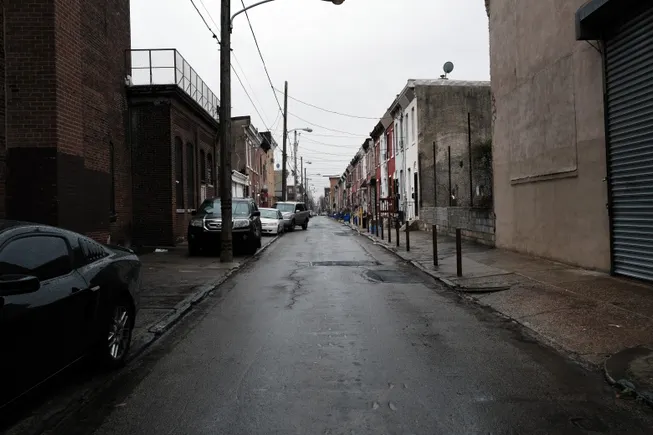
Philadelphia's Eviction Diversion Program: A 'Lifeline' for Tenants Amid Pandemic
Philadelphia's eviction diversion program, featuring mandatory mediation, has been a lifeline for tenants during the pandemic, reducing evictions from 20,000 annually to 4,500 in 2020. The program's protections, including mediation and rental assistance, are set to expire June 30, with advocates pushing for extension. Landlords and tenants have found value in the process, though challenges remain.
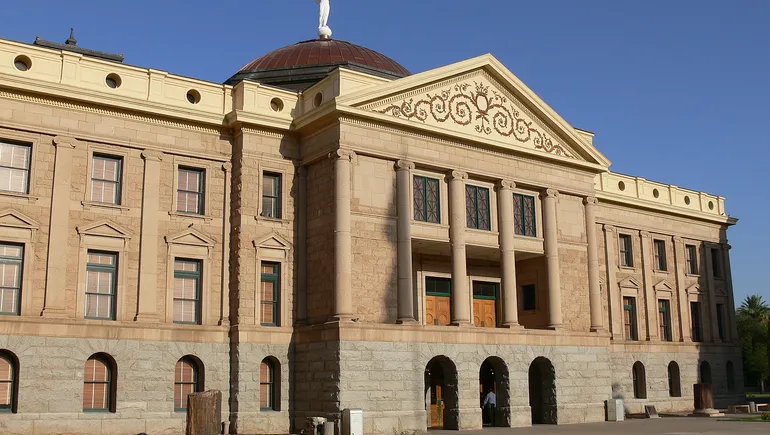
Lawmakers vs. regulators: The fight over Arizona’s zero-emissions mandate
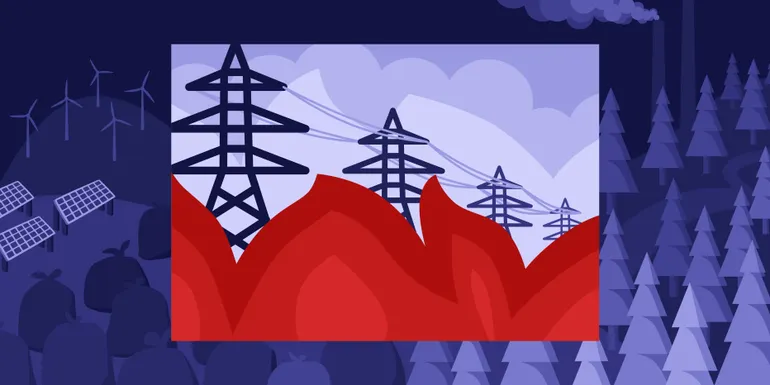
PG&E's Bankruptcy Raises Questions: Should Other Utilities Brace for Wildfire Risks?
PG&E's bankruptcy due to wildfires has prompted experts to warn that other utilities may face similar financial risks as climate change intensifies fire threats. This article explores how utilities across the U.S. are responding to escalating wildfire risks and costs.