
Climate & Resilience
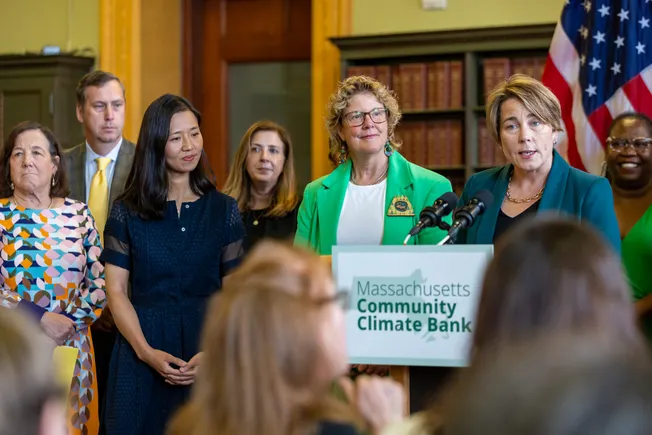
Financing climate resilience: 3 ways cities are pivoting as federal funding dwindles
Facing the dual pressures of frequent extreme weather and federal funding cuts, U.S. cities are exploring sustainable financing pathways for climate-resilient infrastructure. A Clark University expert panel pointed out that cities face not only funding gaps but also deficiencies in planning and implementation capacity. This article outlines three response strategies—tiered project design, development of innovative financing mechanisms, and structural community engagement—and cites practical cases from Riverside, California; Massachusetts; and ICLEI USA.
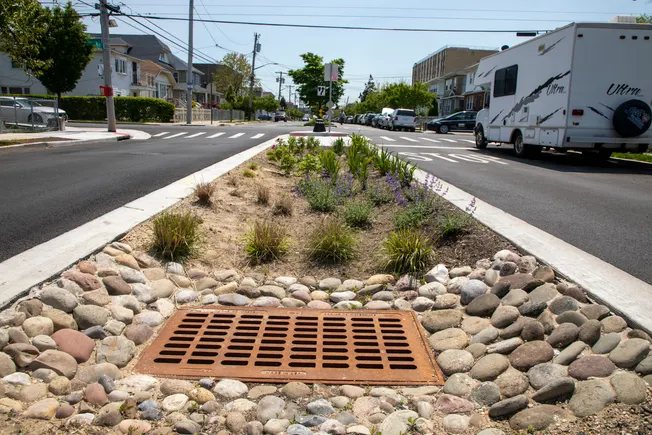
Stormwater ‘sponges’ take root in Queens, New York, to curb flooding
New York City announced an investment of $8.4 million to convert three concrete road medians in Queens into green infrastructure 'sponges' to absorb rainwater and mitigate flooding issues under extreme weather. The project is supported by a $5 million grant from the state government and is expected to intercept approximately 5 million gallons of rainwater annually.
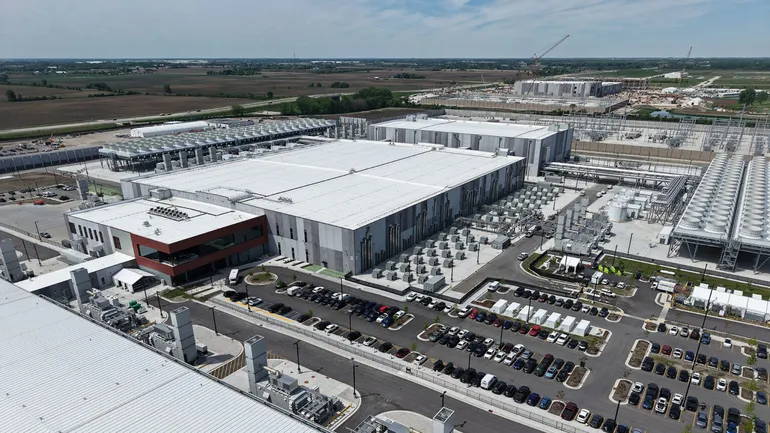
3 things cities should do before approving another data center
Lauren Bridges, an assistant professor at the University of Virginia, notes that over 70% of bipartisan residents oppose AI data centers, and related restrictive policies are rapidly increasing. At the local level, moratoriums are spreading like wildfire. Cities do not have to choose between welcoming data centers and protecting communities, but they must act proactively. Alison Lindburg, sustainability director for the City of Aurora, and Anna Brawley, a member of the Anchorage City Council, shared their cities' experiences: defining data center uses in advance, addressing water and power infrastructure capacity, and strengthening public engagement.
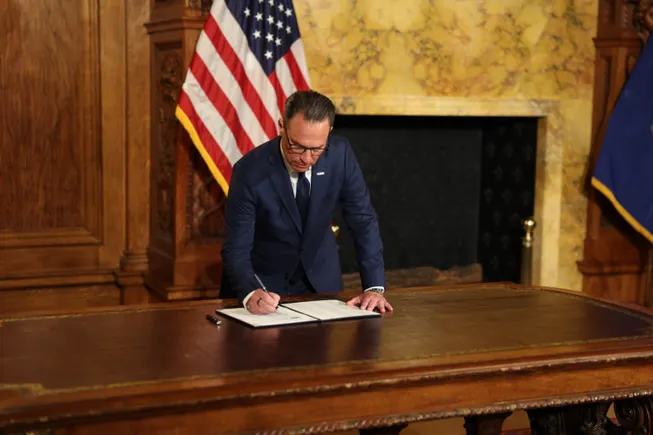
Sweeping new data center rules give local governments more leverage in Pennsylvania
Pennsylvania Governor Josh Shapiro signed an executive order on Tuesday implementing the Governor's Responsible Infrastructure Development (GRID) Standards, which impose new requirements on data center developers. The rules mandate community outreach, detailed footprint reports, minimum investments of $250 million, creation of 200 prevailing-wage construction jobs, and compliance with clean energy and environmental standards. Developers must also pay for incremental electric capacity and are barred from using nondisclosure agreements. The order also removes data centers from the Fast Track permitting program and disqualifies non-compliant developers from sales tax exemptions. Shapiro acted after the state Senate declined to take up legislation codifying the standards.
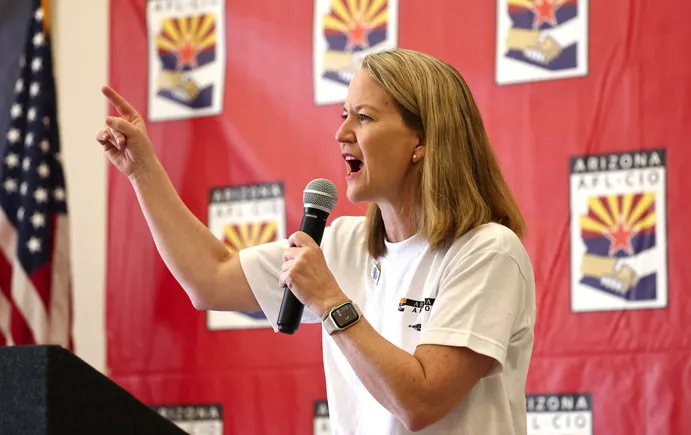
Extreme indoor heat is a housing violation, Arizona warns landlords
Arizona Attorney General Kris Mayes sued owners and managers of three affiliated apartment complexes in Tucson for allegedly failing to provide adequate air conditioning, with indoor temperatures reaching 98.9°F during extreme heatwaves. The lawsuit, filed Aug. 7, seeks a temporary restraining order and preliminary injunction. Mayes and State Sen. Lauren Kuby have introduced a bill to require indoor temperatures in rental housing not exceed 82°F or fall below 68°F during extreme cold. Similar actions are emerging in Washington, D.C., and Los Angeles.
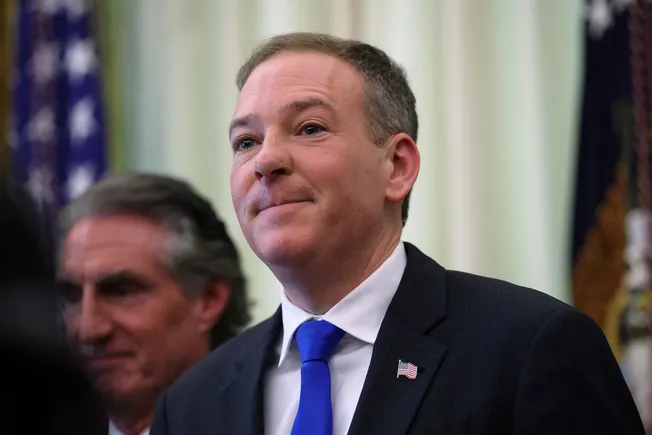
Appeals court rules to unfreeze $20 billion in federal climate grants
The U.S. Court of Appeals for the District of Columbia Circuit ruled on Tuesday to block the Trump administration from revoking $20 billion in climate grants. The court held that the EPA's actions to terminate and recover the grants may violate the Inflation Reduction Act.
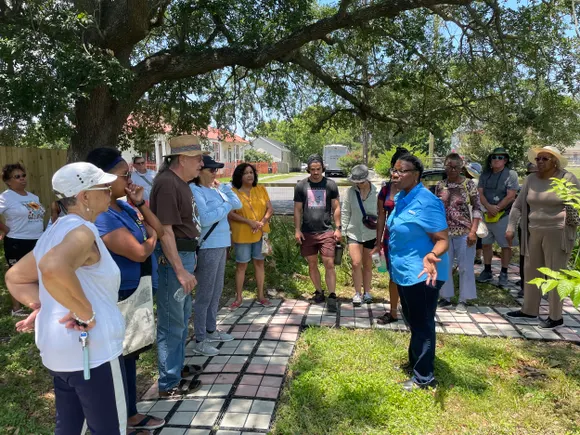
After Katrina, green infrastructure aims to supplement the rebuilt — but still vulnerable — levees
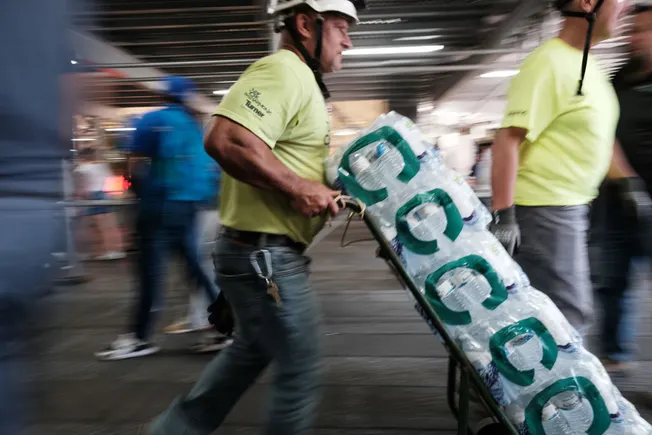
Safeguarding Workers Against Heat and Climate Extremes: A Strategic Guide for Employers
Recent U.S. heat waves have underscored the lethal threat climate extremes pose to workers. With rising frequency of such events, employers are urged to implement robust safety measures, from hydration and rest protocols to involving workers in planning and preparing for wildfires, hurricanes, and poor air quality.
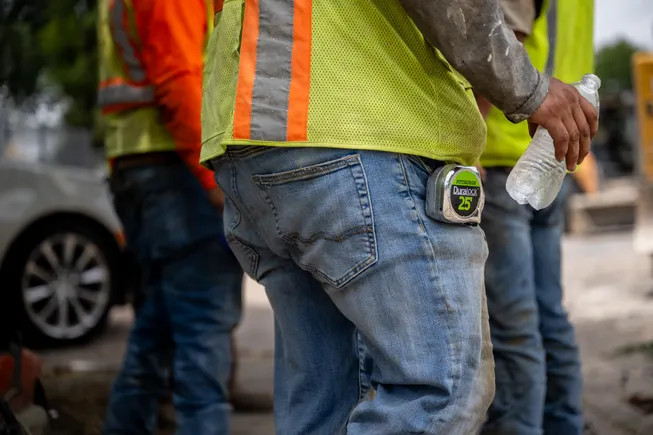
高温来袭,承包商称已做好应对准备
随着美国西部多地气温突破三位数华氏度,建筑行业领导者表示已制定应对极端高温的全面计划,包括调整工作时间、设置降温站、加强热疾病预防培训等,以确保今夏工人安全。
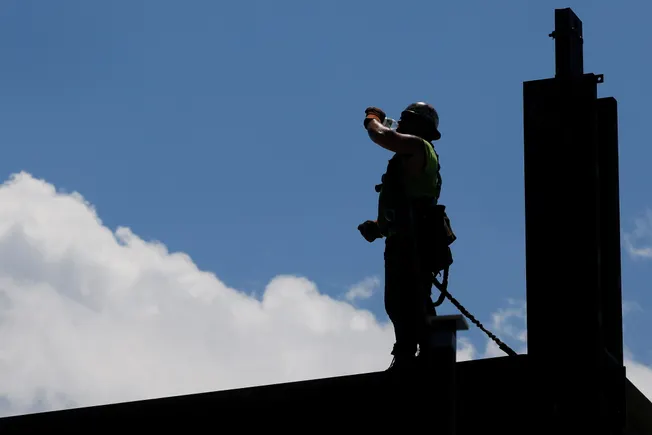
Texas, Florida and Phoenix Heat Safety Rules Face First Real-World Test This Summer
This summer marks the first real-world test of divergent heat safety policies for outdoor workers. Texas and Florida have enacted laws prohibiting local governments from requiring employer-provided water breaks, while Phoenix has adopted a city ordinance mandating heat safety plans for contractors. Meanwhile, OSHA advances toward a federal heat standard.