
Tesla reportedly set to launch Cybercab service in Austin this month
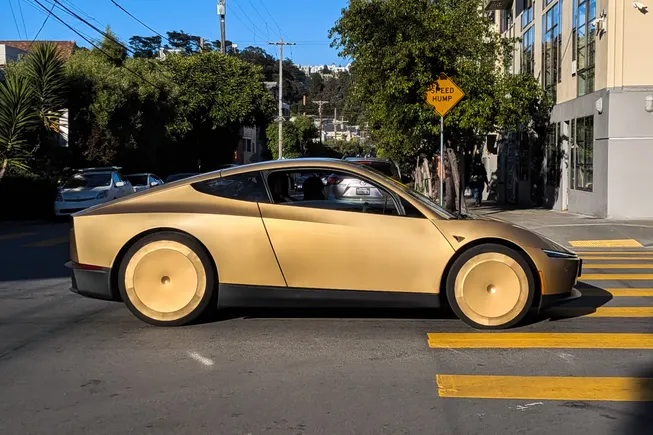
Tesla appears close to launching its purpose-built Cybercab robotaxi service in Austin, Texas, with employee rides first, according to The Information. The company has begun manufacturing the two-seat vehicle and adding Starlink connectivity.
Brief Overview
- Tesla appears to be preparing a public launch of its Cybercab this month in Austin, Texas, according to The Information. On Monday, Tesla posted a cryptic message on X offering robotaxi rides at an undisclosed location.
- Tesla began manufacturing the purpose-built, two-seat vehicle at its plant near Austin, Elon Musk said in an April 24 post on X.
- The company began adding Starlink, a satellite internet service, to its Cybercabs on Aug. 10, according to a post on X.
Detailed Insight
Tesla CEO Elon Musk debuted the Cybercab at an Oct. 10, 2024, event in Burbank, Calif. The vehicle has no pedals or steering wheel and relies on the company's “full self-driving” software. In Tesla's other publicly sold cars with traditional driver controls, that software requires the driver to remain attentive at all times, meaning those vehicles are not autonomous.
In Austin, Chicago and San Francisco, where Cybercabs are being tested, remote monitors can take over driving when needed, according to an article in Electrek.
Ride in Robotaxi through 8/23 for a shot to attend our Cybercab launch event
— Tesla Robotaxi (@robotaxi) August 18, 2026
More rides = better odds pic.twitter.com/NxA4H9sWF2
According to news reports, Cybercab rides on public roads will first be offered to Tesla employees before public Cybercabs are integrated into the company's robotaxi service in Austin.
“We do need to be cautious about causing any accidents or causing any harm to anyone,” Musk said during the company's Q2 2026 earnings call. “If we injure even one person, it'll be worldwide headline news, and regulators will immediately clamp down on our activities.”
Amazon's Zoox offers public rides in Las Vegas and the San Francisco Bay Area with its box-like, bidirectional vehicles that lack typical driver controls. It began testing in Austin and Miami in March.