
Utilities
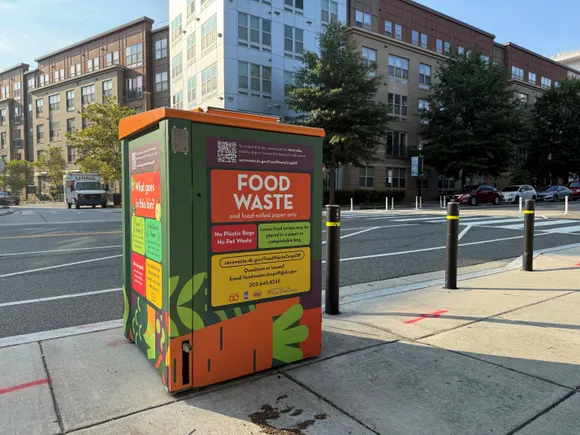
Food waste collection for multifamily housing expands in D.C.
The Washington, D.C. Department of Public Works announced that 20 new sealed smart food waste recycling bins will be installed citywide this fall, bringing the total to 51. Since the program began in 2024, residents have deposited over 1 million pounds of food waste through the network. The project focuses on serving residents of multifamily housing, addressing their lack of composting access. The city is also advancing complementary measures such as battery recycling and transfer station redevelopment to support its zero-waste goal by 2040.

Smart Cities Dive Trendline on Energy Codes and Building Performance Standards
As artificial intelligence expands rapidly, the impact of hyperscale data centers on communities is raising growing concerns among mayors. Climate Mayors, in collaboration with Bloomberg Associates, has published "Data Centers and the Climate Landscape: A Resource for U.S. Mayors," proposing that cities can proactively shape data center development through four key levers—land use, energy, environment, and economy—to ensure alignment with climate goals and community interests.
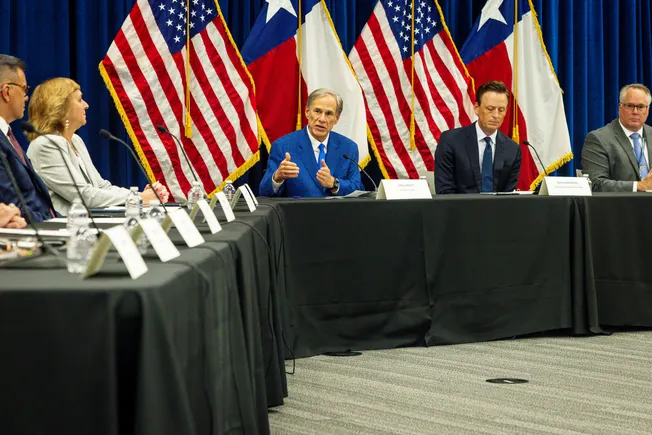
Water cybersecurity gets federal boost in 10 cities and Texas
The U.S. Environmental Protection Agency announced on Monday nearly $12 million in grants to help 10 medium and large drinking water systems resist cyberattacks and extreme weather; simultaneously, the White House launched Project Watershed 250 in Texas, partnering with cybersecurity companies to offer free protective resources for water facilities.
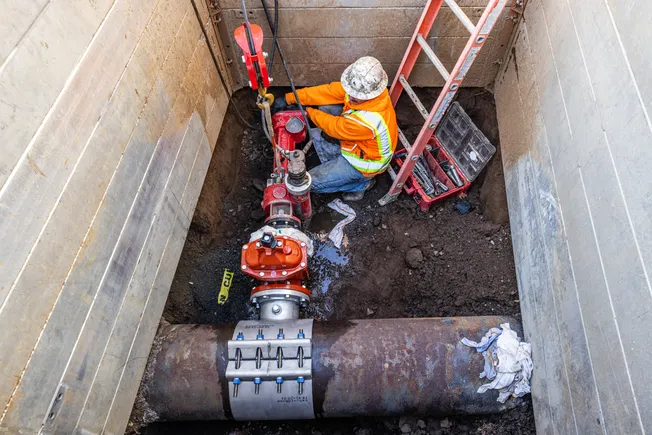
Pipes as power plants: How cities can use their water systems to generate clean energy
Cities such as Hillsboro, Beaverton, and Tualatin in Oregon have installed in-pipe hydro turbine generators in water supply pipelines, using the pressure differential at pressure-reducing valves to generate electricity, with annual output ranging from over 200 megawatt-hours to 426 megawatt-hours, and they plan to enhance resilience by combining solar power, battery storage, and microgrids. This technology requires conditions such as appropriate pipe size, pressure differential, flow rate, and net metering, and relies on multi-layered funding support to achieve a payback period of approximately 10 years.
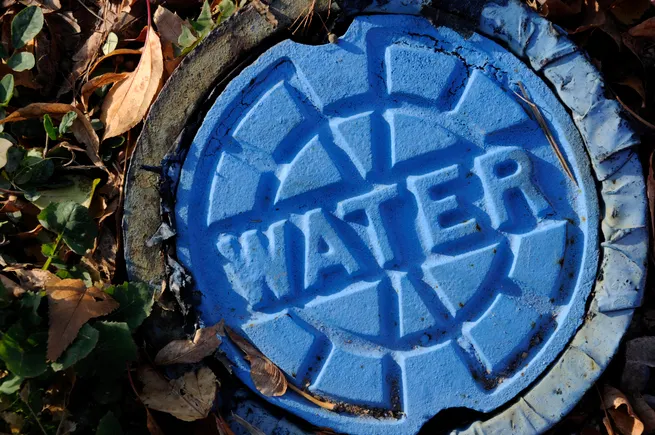
Protecting water systems from cyberattacks: 5 steps cities can take now
In response to recent cyberattacks on U.S. water systems, experts have proposed five key protective measures: strengthening account security, developing emergency response plans, isolating non-essential industrial control systems, joining threat intelligence sharing networks, and establishing government-enterprise contacts in advance. The article cites insights from multiple industry experts, emphasizing the importance of basic security configurations and proactive defense.

Why fleet availability is becoming a defining metric for modern cities
Municipal fleets are the backbone of daily urban services, yet their availability is often overlooked. This article analyzes the cascading impacts of fleet downtime, explains the strategic value of preventive maintenance, and proposes three major strategies: standardized maintenance, optimized inventory management, and enhanced preventive parts management. Additionally, the article introduces how WIX Filters, with 85 years of filtration technology experience, coverage of over 17,000 applications, and fleet survey programs, helps municipal agencies improve fleet reliability and operational resilience.
30+ water utility cyberattacks expose a vulnerability across US cities
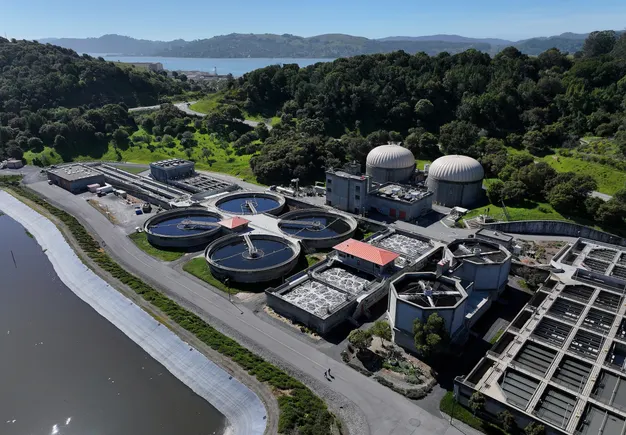
The U.S. Federal Bureau of Investigation (FBI) issued a notice on July 30 stating that malicious cyber actors have targeted programmable logic controllers (PLCs) in water and wastewater treatment systems across at least seven states, with some attacks degrading water treatment operations. Minnesota's IT services department confirmed on July 31 that over 30 community water systems in the state suffered malicious cyber activity; Michigan reported on August 1 that nine of its water systems were attacked, but all remained safely operational. The FBI and the Cybersecurity and Infrastructure Security Agency (CISA) recommend that water agencies disconnect PLCs from the internet, enable password protection, and restrict remote access.
Can direct potable water reuse overcome its image problem in the US?
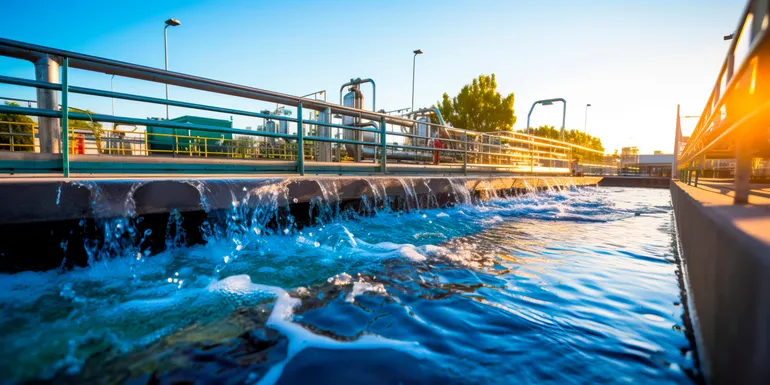
Faced with persistent drought and water stress, direct potable reuse (DPR) is gradually gaining attention in the United States. Despite the technology's reliability, the label "toilet-to-tap" has hindered its adoption. Now, cities like El Paso are advancing DPR implementation, with public engagement and education becoming key.

$7.6B in clean energy grant cancellations politically driven: court filing
The U.S. Department of Energy acknowledged in court filings on July 15 that the cancellation of 223 clean energy project grants (totaling $7.6 billion) in 2025 was based entirely on the political identity of the recipients' states, i.e., whether they were blue states supporting Harris. The document was first reported by The New York Times on July 24, sparking strong protests from Democratic lawmakers and environmental groups.
Clean water funding map would get redrawn under Senate bill
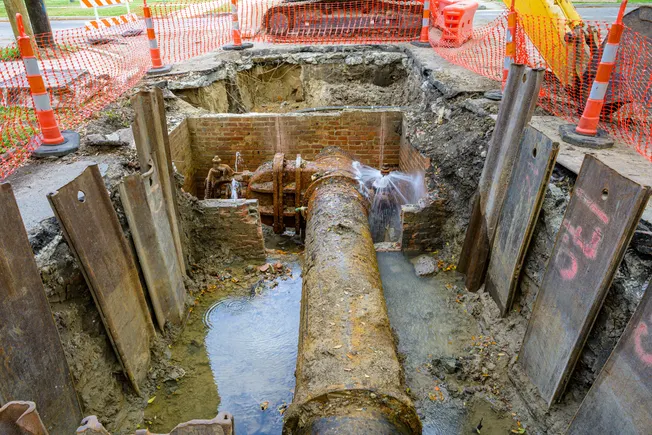
On July 17, the U.S. Senate introduced a bipartisan bill proposing to replace the fixed percentage allocation method of the EPA Clean Water State Revolving Fund (CWSRF) with a needs-based formula. Based on 2022 data, the new formula would result in 31 states seeing funding remain flat or increase (up to 260%), while 19 states would see reductions (up to 53%). The bill is led by Senators Mark Kelly (D-Arizona) and Rick Scott (R-Florida) and has been referred to the Senate Committee on Environment and Public Works for consideration.