
Deep Dive
来自我们记者的行业洞察
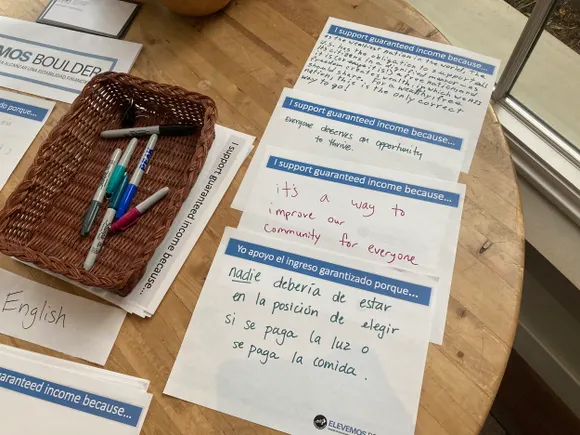
150 cities tested guaranteed income. Here’s what worked — and what didn’t.
More than 150 cities in the United States have successively launched unconditional basic income pilots over the past five years. Experts and program managers say these projects have shown clear results in meeting basic needs like housing and food and improving mental health, but their impact on long-term financial security is still unclear. Evaluation reports from Boulder, Colorado, and Minneapolis both indicate that a monthly stipend of $500 did not significantly change recipients' employment status or long-term economic stability. Meanwhile, some cities have expanded their programs, and Cook County, Illinois, has become the first county government to establish permanent funding for unconditional basic income.
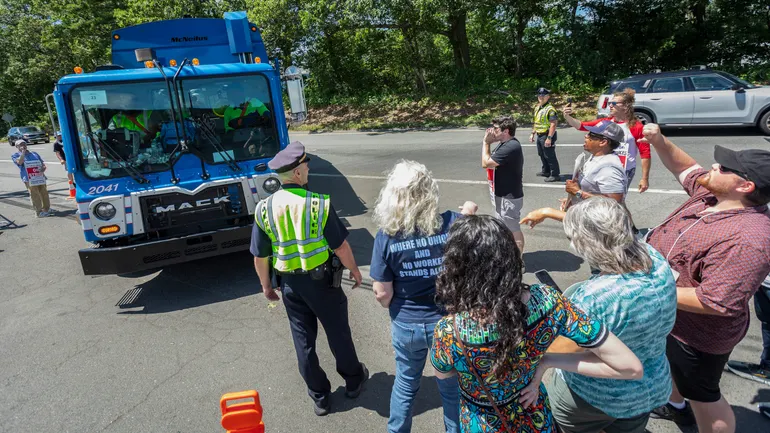
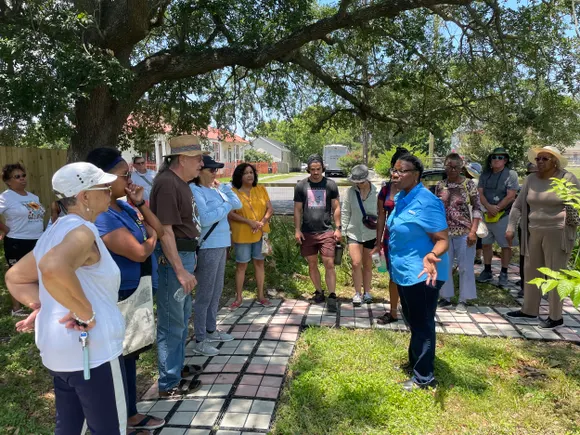
After Katrina, green infrastructure aims to supplement the rebuilt — but still vulnerable — levees
In 1719, the year after New Orleans was founded, it was hit by Mississippi River flooding. Over the following 300 years, the city relied on engineering measures to cope with hurricanes and floods. In 2005, Hurricane Katrina exposed the flaws in the levee system, prompting the federal and state governments to invest nearly $15 billion in rebuilding. However, subsidence occurred soon after the system was completed, and in 2019, the U.S. Army Corps of Engineers warned that it might not withstand a 100-year storm. Today, green infrastructure such as rain gardens and native vegetation planting is being integrated into the city's flood control strategy, working alongside gray infrastructure as a key to enhancing resilience.
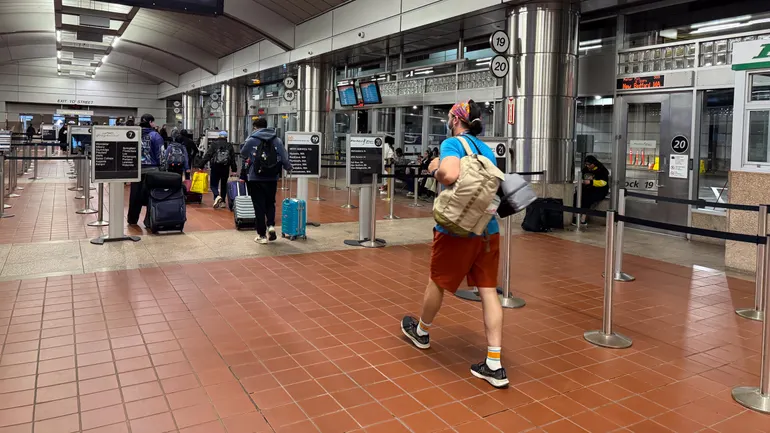
Are intercity buses having a Cinderella moment?
The once-overlooked intercity bus is experiencing a revival: in 2023, ridership reached 50 million, surpassing Amtrak's 28.5 million. As Boston, New York, Atlanta, and other cities renovate or build new hubs, the industry is calling for public-private cooperation to improve the waiting experience and strengthen multimodal connectivity.
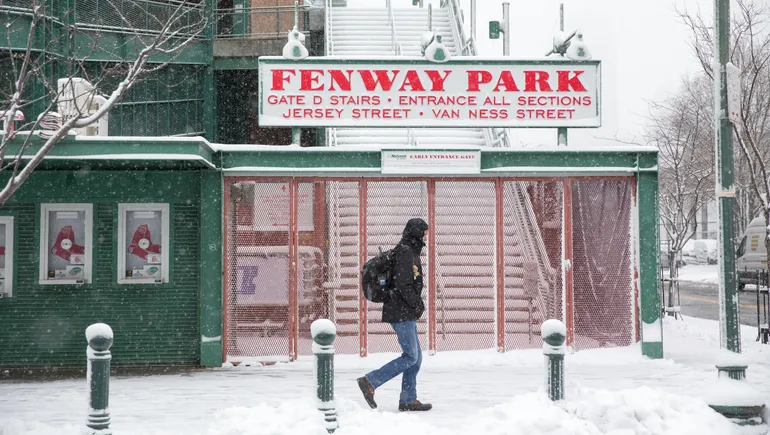
Waymo readies its robotaxis for winter weather
Waymo is expanding its self-driving taxi service to northeastern U.S. cities with harsh winter climates, including Washington, D.C., Boston, New York, and Philadelphia. Previously, its operations were mainly concentrated in milder-climate cities like Atlanta, Los Angeles, Phoenix, San Francisco, and Austin. Experts note that winter ice, black ice, strong winds, and low-angle sunlight pose challenges to sensors, and Waymo needs to collect year-round data from the Northeast and verify its "Waymo driver" capability in snow. A company spokesperson stated that operations will be suspended if weather exceeds technical limits.
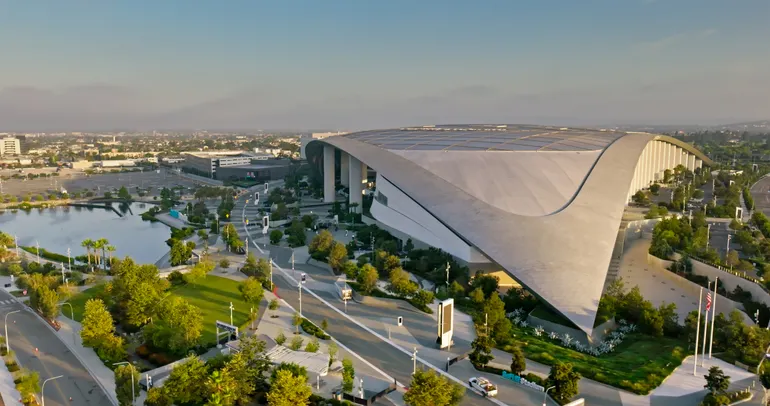
LA passed a $30 minimum wage for hospitality workers. Hotels continue to fight it.
The Los Angeles City Council passed the Citywide Hotel Worker Minimum Wage Ordinance on May 14, 2025, and Mayor Karen Bass signed it into effect on May 27. The ordinance requires hotels with 60 or more rooms to gradually increase the minimum hourly wage to $30 by July 2028, starting in July 2026. Organizations such as the American Hotel and Lodging Association oppose the ordinance, calling it a potential "economic tsunami." The Los Angeles Tourism, Employment, and Progress Coalition has submitted over 140,000 signatures to petition for a referendum, pausing the ordinance's implementation. The union Unite Here Local 11 has accused the signature collection of being misleading and violent, and continues to promote the "Defend the Wage" campaign.
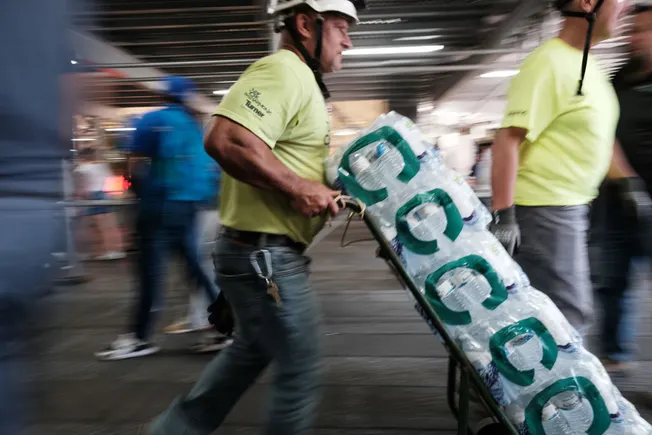
How to protect employees from heat and other climate extremes
The heat wave that swept the eastern, midwestern, and southern United States last month once again highlights the threat of extreme climate to workers. Data shows that between 2011 and 2022, an average of about 40 workers died annually in the United States due to heat exposure. Facing increasingly frequent heat waves, wildfires, and hurricanes, how should employers systematically ensure employee safety? Several occupational health, legal, and climate experts shared practical pathways with HR Dive, ranging from basic protection to comprehensive climate risk plans.
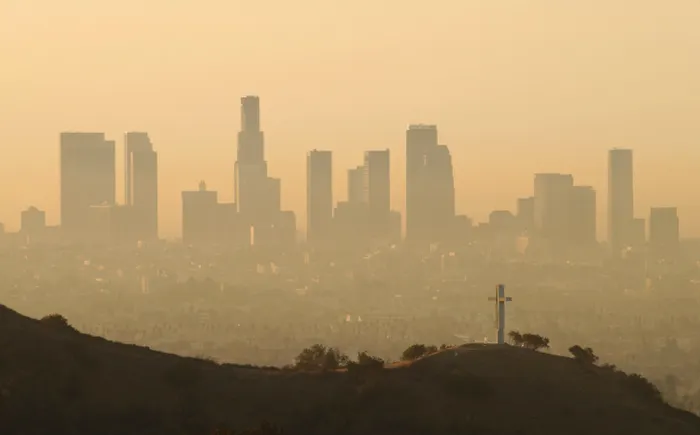
Congress could soon revoke California’s vehicle emissions standards
The U.S. House of Representatives passed a resolution on May 1, attempting to revoke the EPA's waiver for California's vehicle emission standards under the Congressional Review Act. The Senate could vote as early as next week. Environmental and public health experts warn that this move will hinder air quality improvements and may trigger legal and procedural disputes.
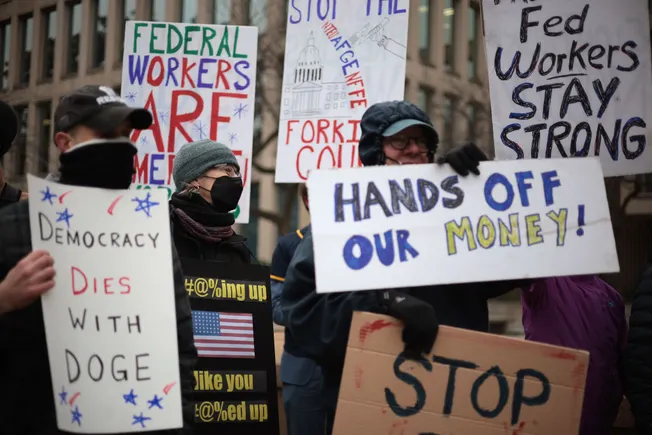
How DOGE will impact Washington, DC-area apartment owners
The Washington D.C. apartment market has long been viewed as a safe haven, but the Trump administration and DOGE's federal layoffs are breaking that sense of security. As of now, at least 101,022 federal employees have been laid off nationwide, many targeting the Washington area. Although owners and REIT executives stated on fourth-quarter earnings calls that they have not yet seen significant impacts, they expressed concerns about potential consequences. Market diversification, return-to-office policies, and transaction uncertainty create multiple intersecting effects, and the industry is closely monitoring developments.
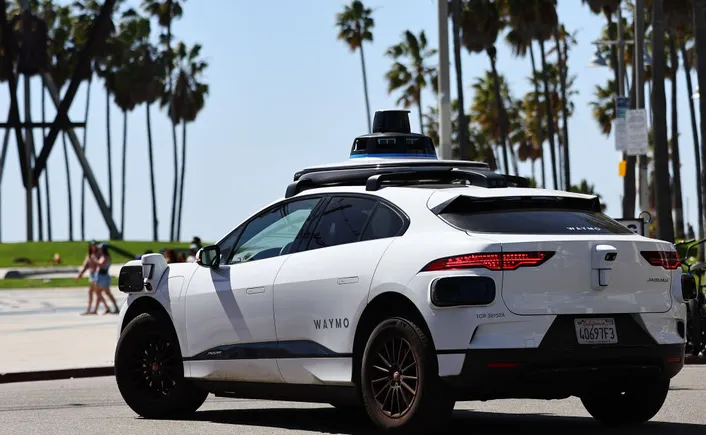
Tesla, Waymo will add more robotaxis to city streets
Industry officials and observers expect that, under a more favorable federal regulatory environment, robotaxis will begin operations in more cities and states in 2025. Although General Motors' Cruise business ceased operations in 2024, the sector has attracted over $100 billion in investment over the past decade. Companies such as Waymo, Motional, and Zoox are deploying city by city, and Tesla also plans to launch a paid driverless service in Austin in June.